


X-twitter Linkedin Table of Contents The average UK consumer board, or as we called it growing up – a fuse box, lasts anything between 20-30 years. That’s what the stats tell you, but I can 100% confirm most electricians have walked into a property and seen a house with a
- Charanjit Mannu
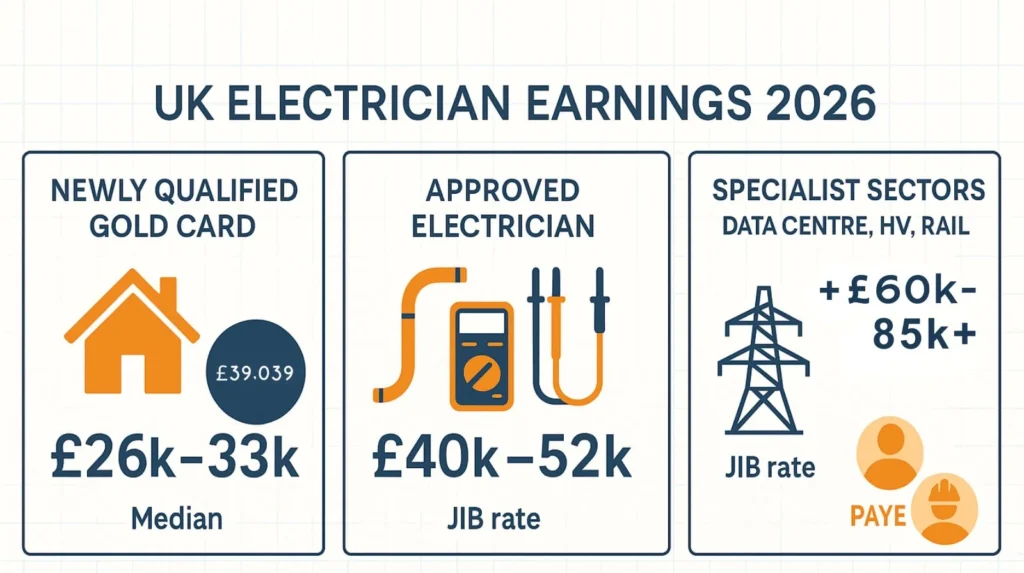
If you’re looking or searching for how much electricians make, then there is a likelihood you’re at the start of your career or doing the initial research before a career change.Not sure how to become an electrician? We got you covered with our 2026 guide. No experience beginner roles. Electrician’s
- Charanjit Mannu
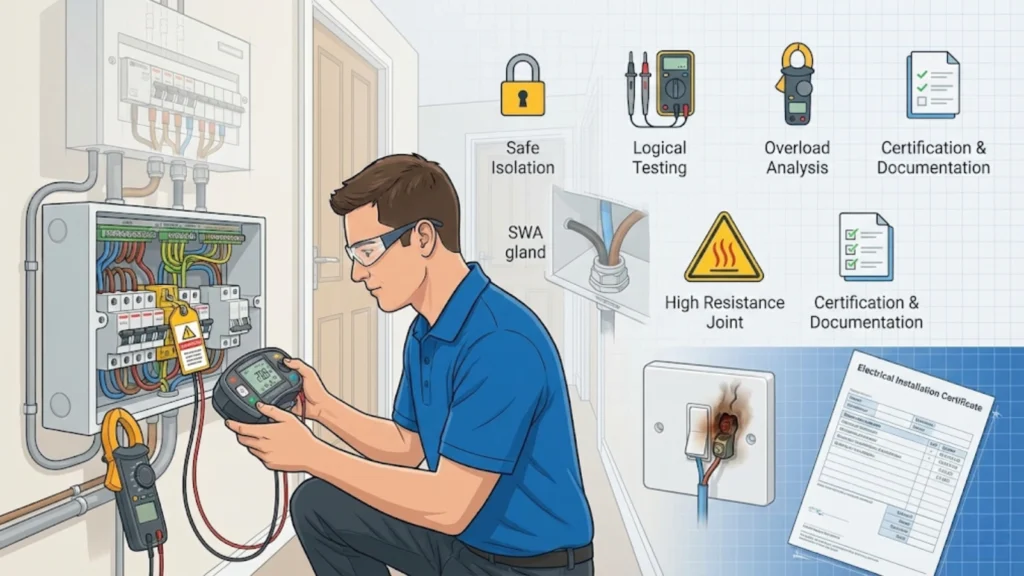
So, you've done your Level 2, Level 3 electrical installation, and 18th Edition. Congrats, honestly. But now you're looking at the 2357 NVQ and thinking, "Right, what's actually needed to get fully qualified?" Let me break this down for you. If you're one of the "I've got no experience and
- Charanjit Mannu
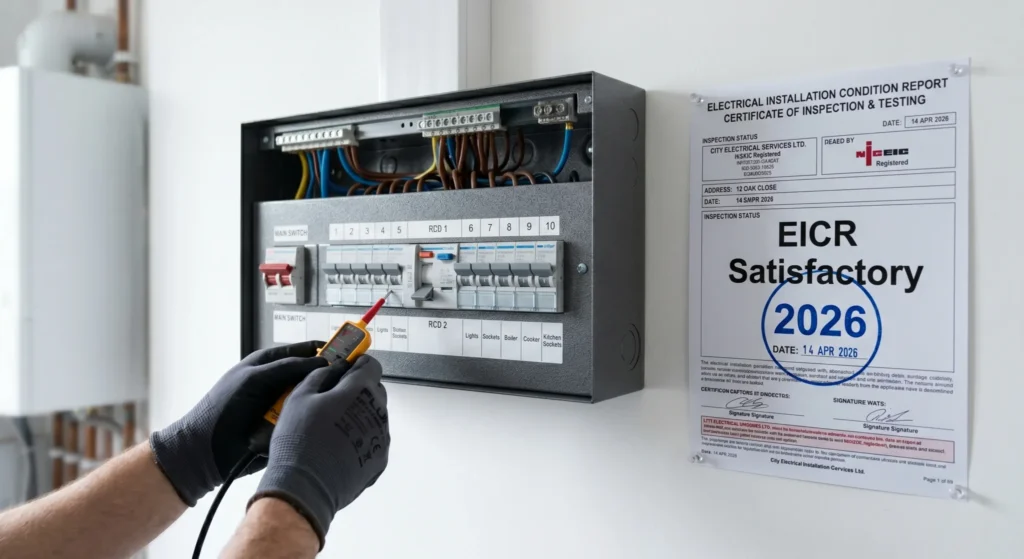
An EICR (Electrical Installation Condition Report) is the inspection certificate that proves your property's fixed electrical installation is safe, compliant with BS 7671, and fit for continued use. If you're a landlord in England, Wales, or Scotland, you legally need one every five years. If you're selling a house, buyers
- Charanjit Mannu
Start your journey toward becoming a qualified electrician in the UK with this complete beginner-friendly guide. Learn about apprenticeship routes, fast-track diploma options, required skills, training costs, electrician salaries, and career progression opportunities. Whether you're a school leaver or a career changer, this guide explains the different pathways to becoming
- Charanjit Mannu
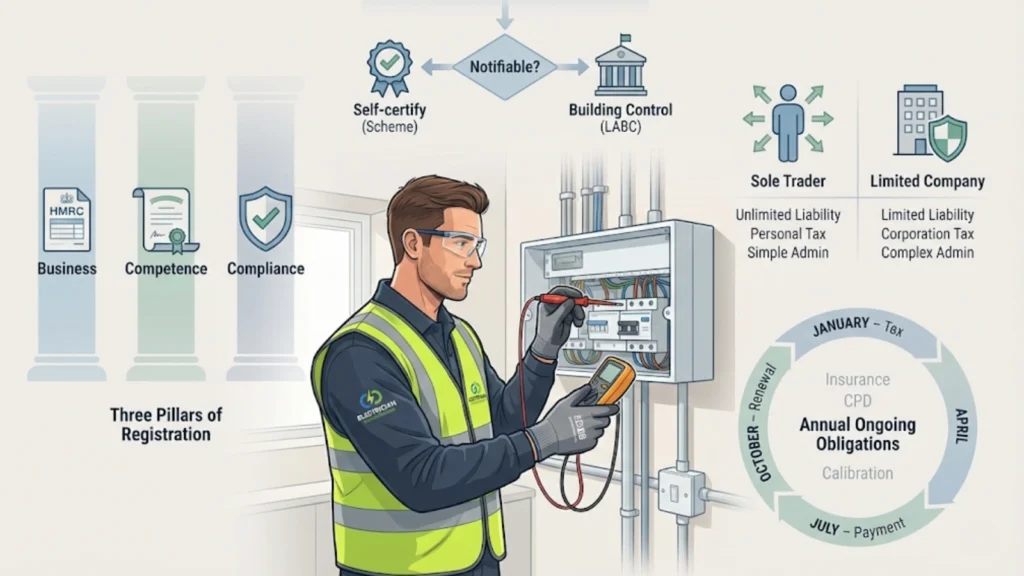
"How do I register as an electrician?" gets asked thousands of times monthly by newly qualified electricians, career changers completing training, and employed sparks going self-employed. The frustrating answer is: there's no single registration process in the UK.
- Charanjit Mannu
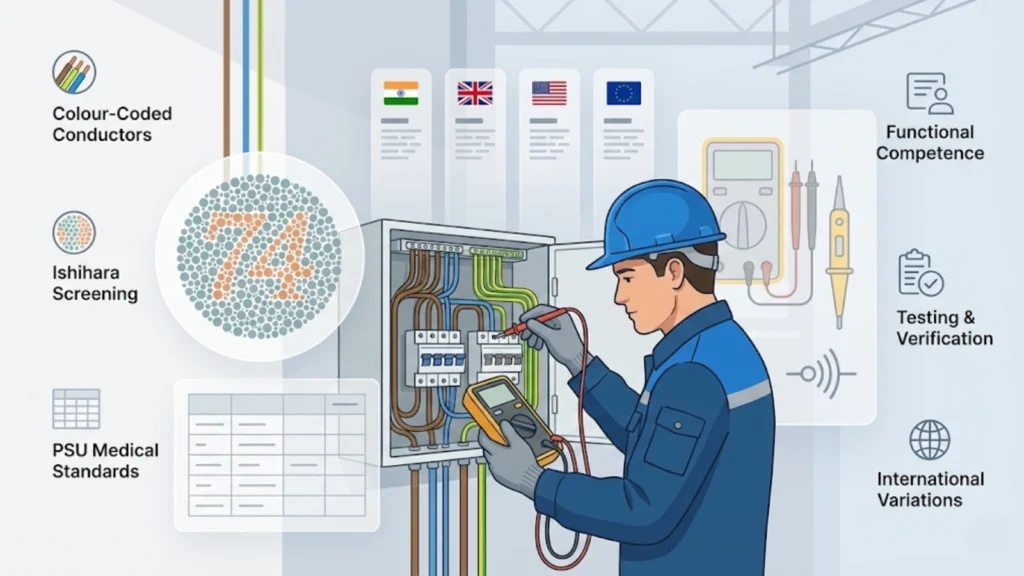
If you're applying for electrical trainee or executive trainee positions at Indian PSUs or shipyards, you've probably seen "Normal Colour Vision Required" buried in the medical standards section of recruitment notifications. That single line can end months of preparation if you have colour vision deficiency (CVD), commonly called colour blindness.
- Charanjit Mannu
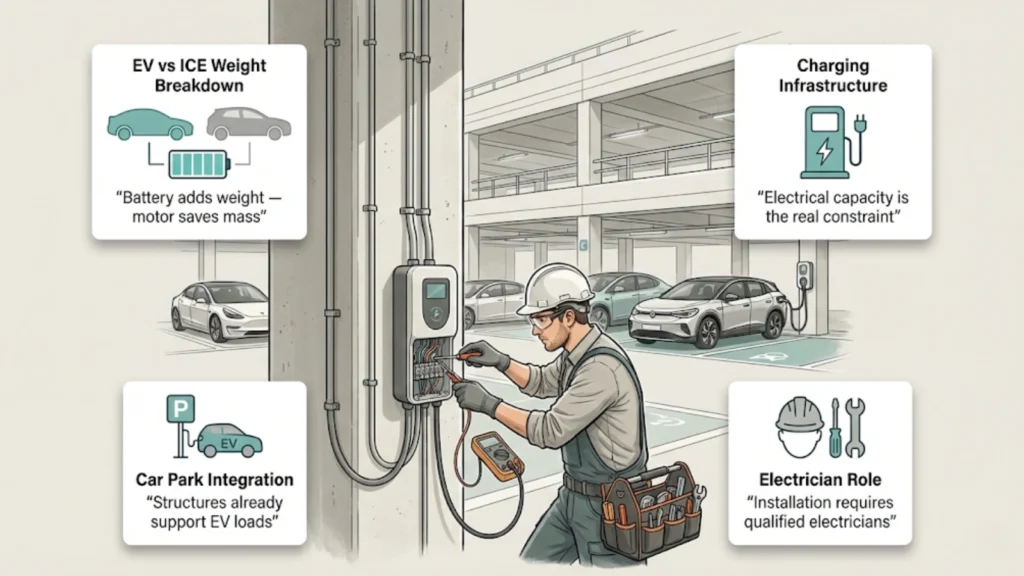
Electric vehicles are approximately 20-30% heavier than their petrol or diesel equivalents. A Tesla Model 3 weighs 1,847 kg / 4,072 lbs compared to a similar-sized BMW 3 Series at 1,540 kg / 3,395 lbs. A Ford F-150 Lightning electric pickup weighs 2,726 kg / 6,015 lbs while its petrol
- Charanjit Mannu
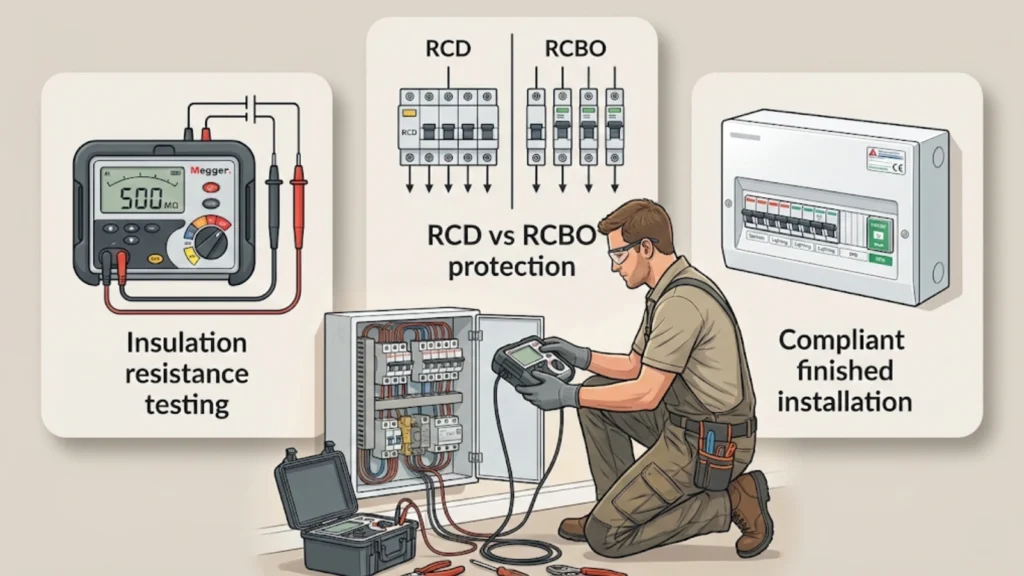
You've been told your consumer unit needs replacing. Maybe an electrician recommended it during an EICR. Maybe you're selling a house and the surveyor flagged your old plastic fuse box. Maybe you just know it's ancient and want peace of mind. Whatever the reason, here's what nobody tells you upfront:
- Charanjit Mannu
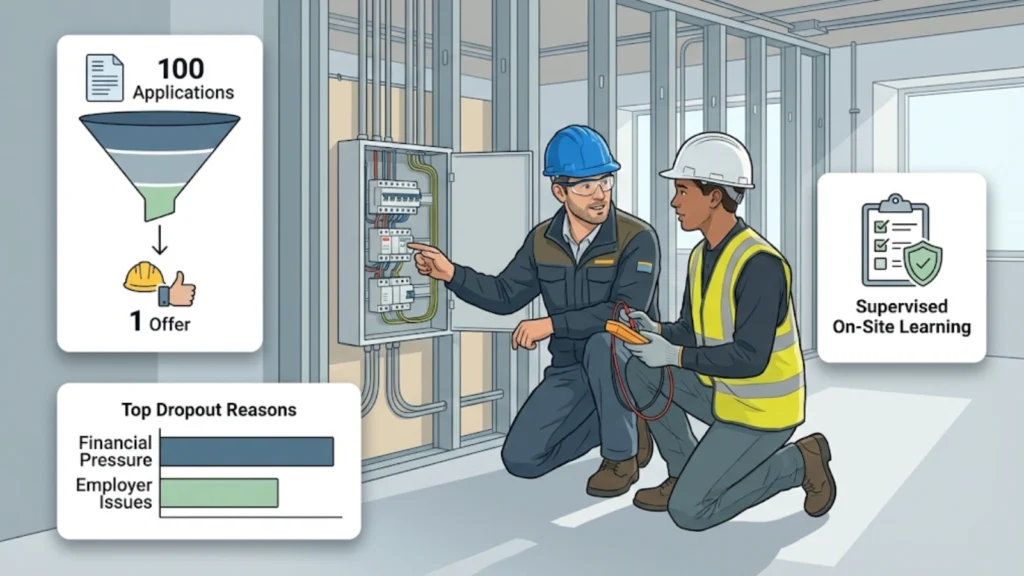
Electrical apprenticeships get marketed as the "proper" route into the trade, and in many ways, they are. But the gap between the marketing and the reality is substantial enough that roughly half of people who start one don't finish. That's not a criticism of apprenticeships themselves. It's an acknowledgment that
- Charanjit Mannu
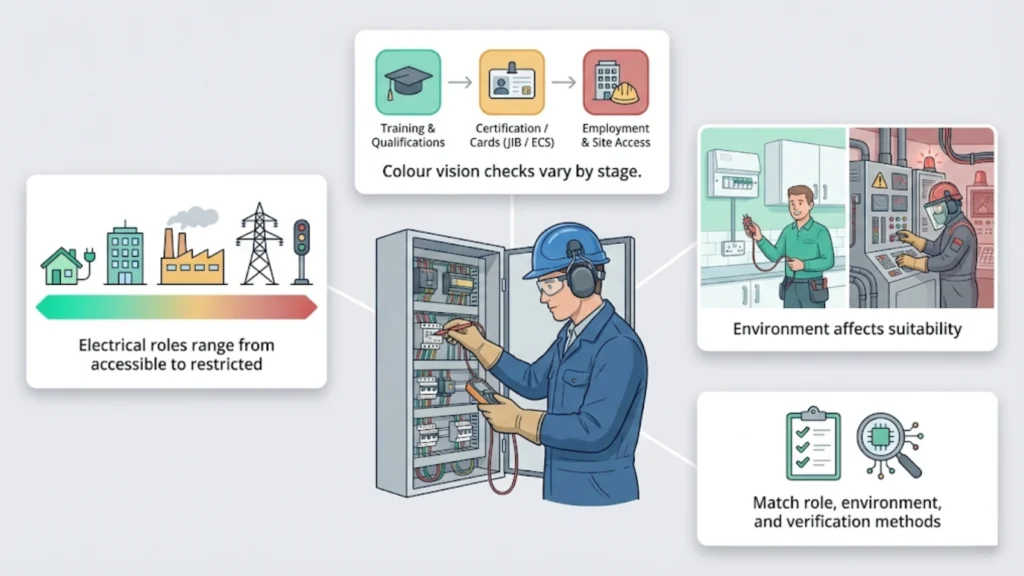
If you're colour blind and researching whether to pursue electrical work, you're probably encountering contradictory information. Some sources say it's impossible. Others claim colour vision doesn't matter at all. Forums are full of "I've been doing it for 20 years" stories alongside "I got rejected from training" warnings. Here's what's
- Charanjit Mannu
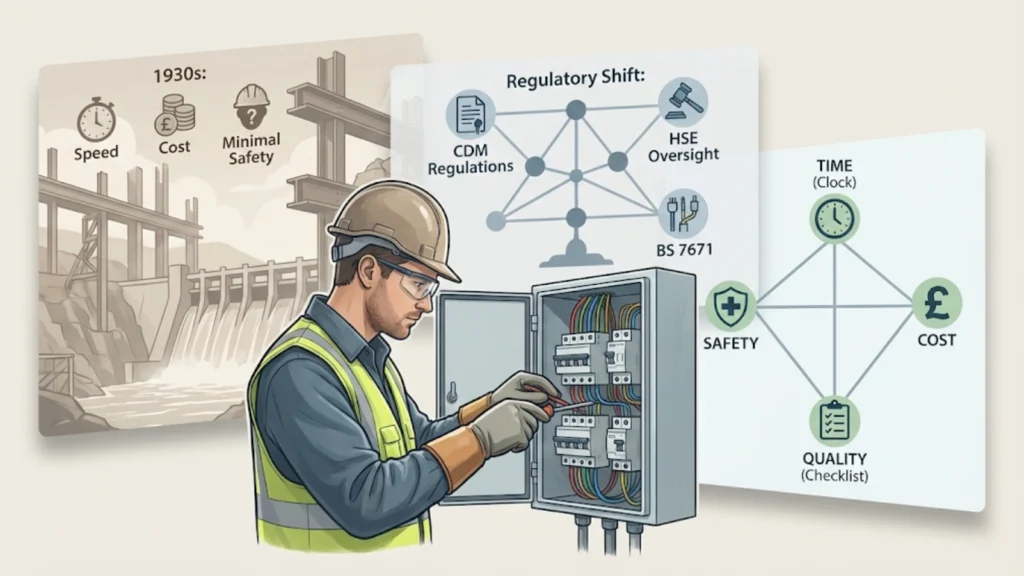
The Hoover Dam gets referenced constantly in project management circles, usually with the same tired narrative about "when projects were done properly" or "before regulations slowed everything down." Strip away the nostalgia, though, and you're left with something more useful: a 1930s megaproject that pioneered integrated delivery under extreme constraints,
- Charanjit Mannu

You've probably seen the claims. Social media posts showing electricians driving new Mercedes vans, marketing ads promising six-figure incomes after a fast-track course, recruiters talking about £600 day rates like they're standard across the industry. Here's what you actually need to know: the £156k figure floating around social media isn't
- Charanjit Mannu
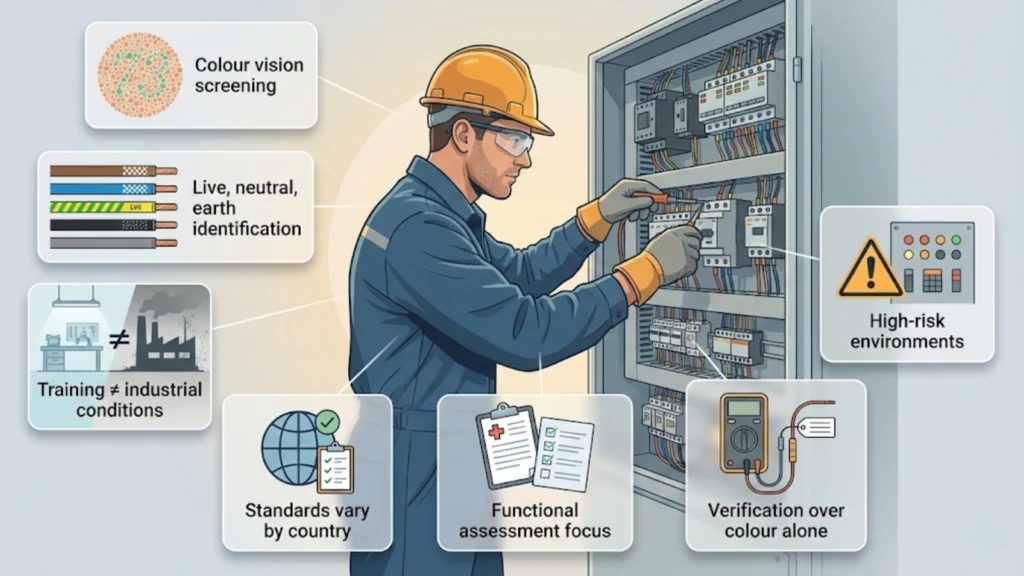
If you're researching whether colour vision deficiency will prevent you from working as an electrical trainee, particularly in heavy industry, shipyards, or rail, you're asking the right question at the right time. Here's the thing: colour blindness doesn't automatically disqualify you from electrical work, but it can lead to role-specific
- Charanjit Mannu
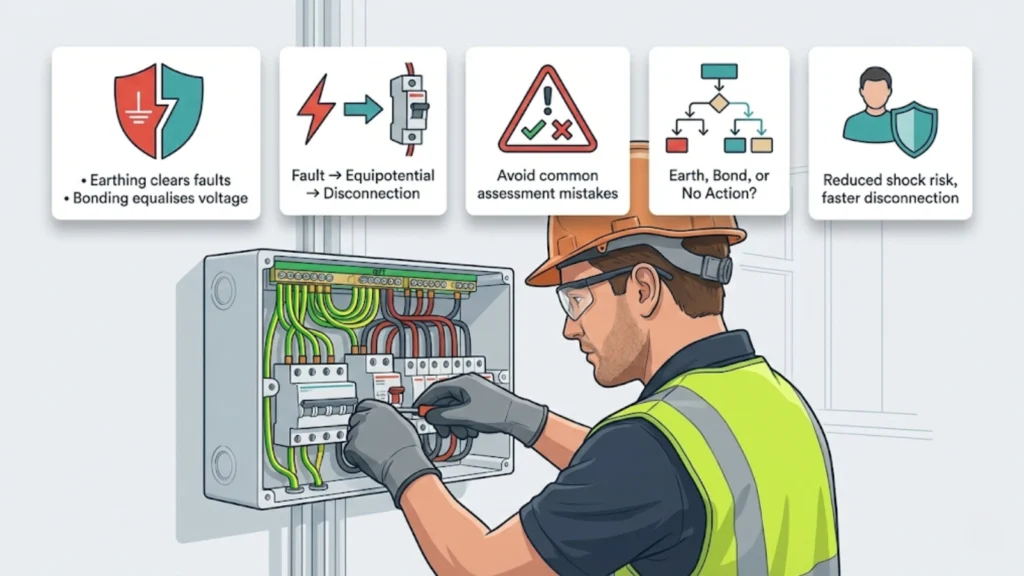
The terms "earthing" and "bonding" get used interchangeably by people who don't actually understand what either one does. On forums, in casual conversation, sometimes even by electricians who should know better, you'll hear "earth bonding" as if it's a single concept rather than two distinct protective measures with completely different
- Charanjit Mannu
Ask ten electricians what skills matter most and you'll get eleven different answers. One will tell you it's all about speed. Another insists it's tool handling. Someone else swears it's knowing the regs backwards. Here's the thing: they're all missing the point. Essential skills sounds like a nice tidy checklist
- Charanjit Mannu
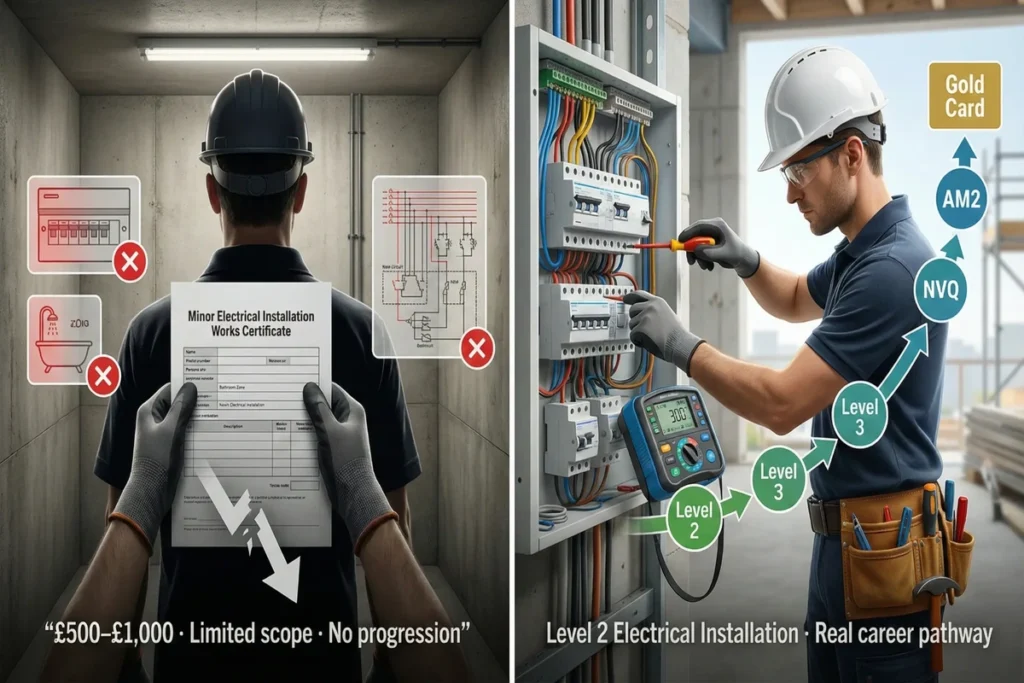
The adverts make it sound simple. Five days, £500-£1,000, walk out calling yourself an electrician. Minor Electrical Installation Works Course. Part P trained. Job done. Here's what actually happens: you spend the money, you get the certificate, and then you discover you can replace light switches and add sockets to
- Charanjit Mannu

Fast-track domestic installer courses are everywhere. Scroll through Facebook ads or Google search results and you'll see claims like "become a qualified electrician in 4 weeks" or "start earning as an electrician this month." The reality is considerably more complicated. The difference between a Domestic Installer and a Fully Qualified
- Charanjit Mannu

Since June 15, 2022, every new-build home in England with associated parking has been legally required to include an electric vehicle (EV) charging point. Not proposed. Not optional. Mandatory. Part S of the Building Regulations made the UK one of the first countries to legislate EV infrastructure at the point
- Charanjit Mannu
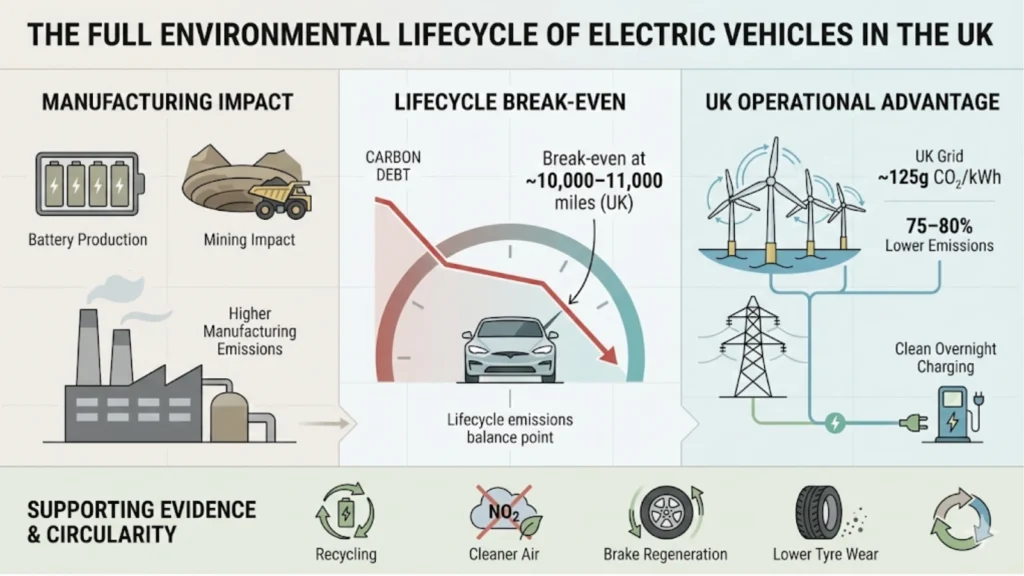
The environmental debate around electric vehicles has become absurdly polarized. One side claims EVs are zero-emission saviors that will single-handedly solve climate change. The other insists they're toxic mining disasters worse than diesel. Neither extreme reflects reality. Here's what actually happens when you look at the evidence rather than the
- Charanjit Mannu
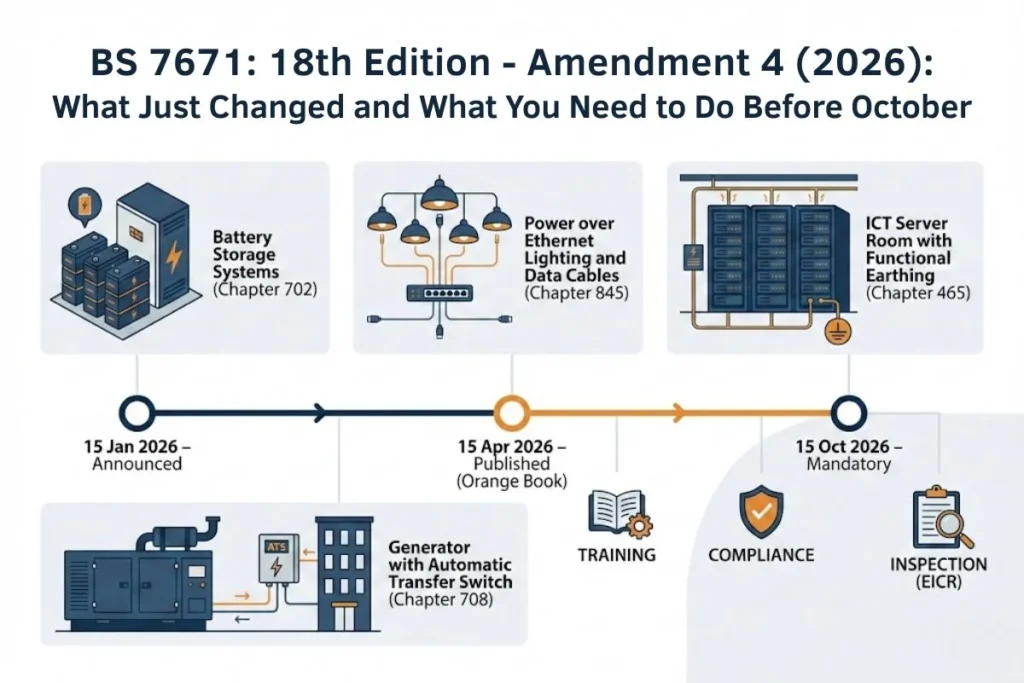
Amendment 4 is not the 19th Edition. It's not live today. And you don't need to panic about immediate compliance. But you do need to understand what's changed and what you must do before 15 October 2026 when the current regulations get withdrawn and A4 becomes mandatory for all new
- Charanjit Mannu
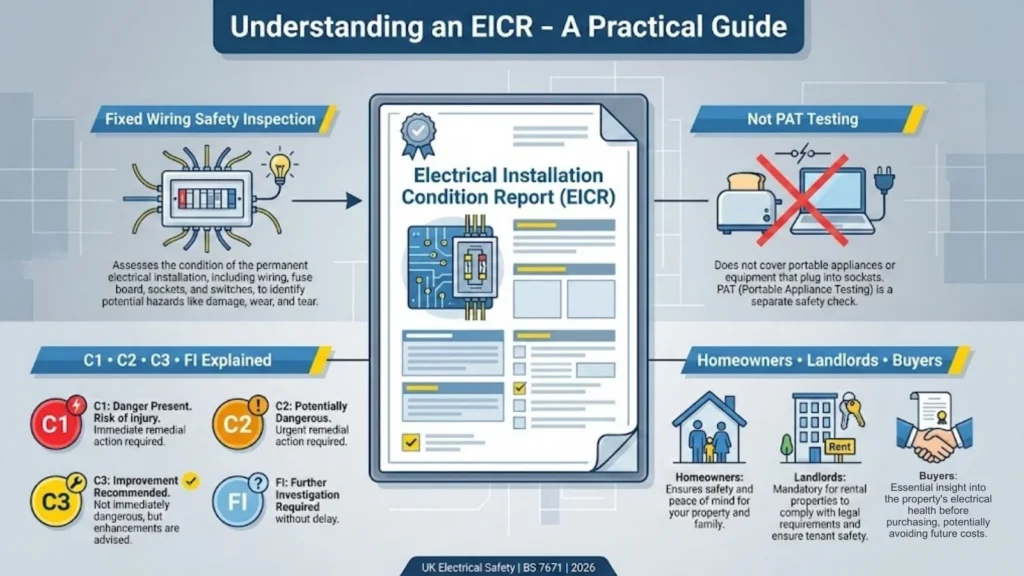
An Electrical Installation Condition Report, or EICR for short, sounds straightforward enough. You hire an electrician, they test your wiring, you get a report. Simple. Except it's not. Because the EICR industry in the UK is littered with cowboys charging £80 for inspections that take 45 minutes, landlords panicking over
- Charanjit Mannu
- News
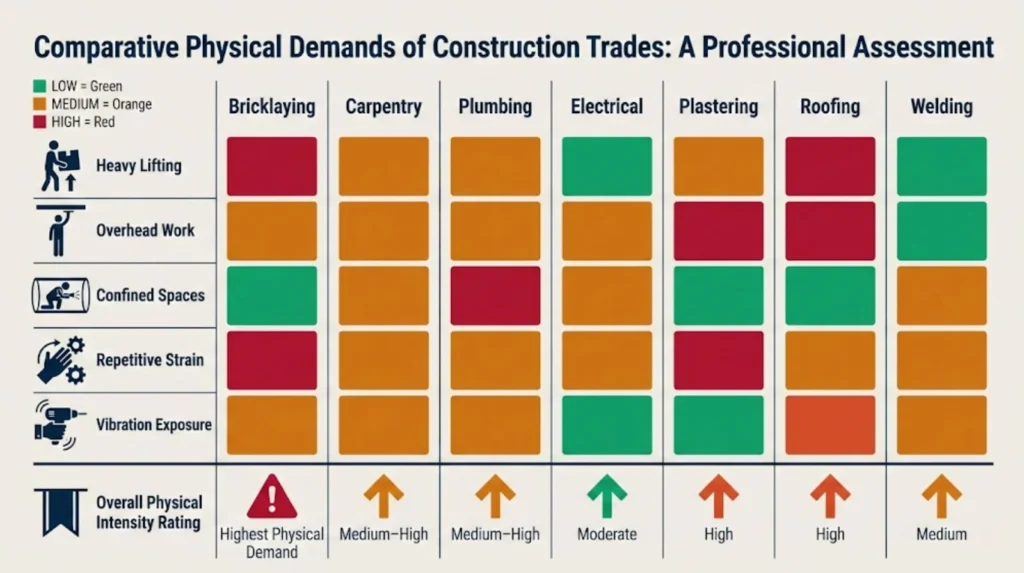
You're 38, sat in another pointless Teams meeting, and you've just realised you've spent the last hour discussing a spreadsheet about a presentation about a strategy document. Again. The office heating's too high, the coffee's terrible, and you're staring at the same four walls you've been staring at for a
- Charanjit Mannu
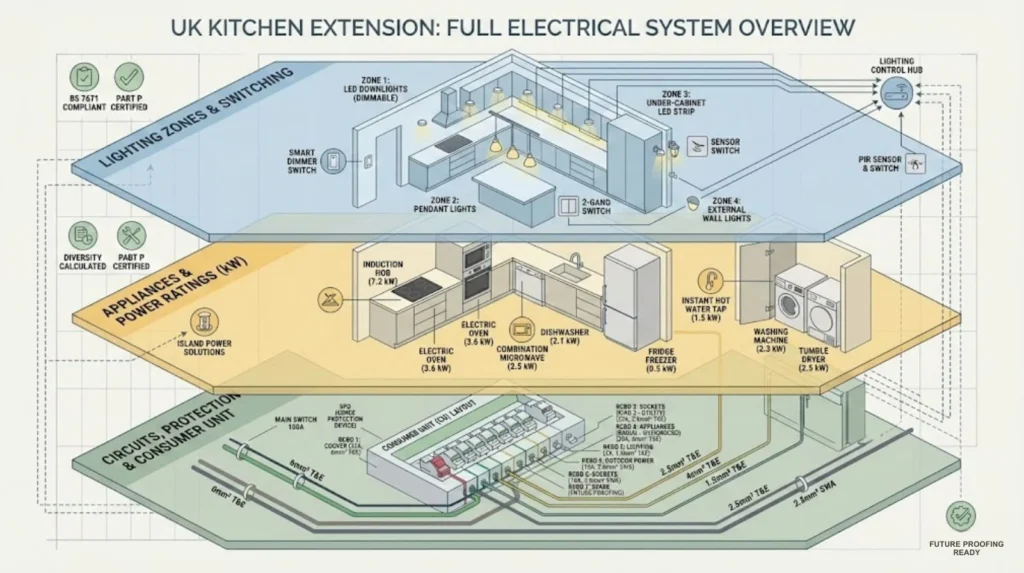
Kitchen extensions represent the most profitable segment of domestic electrical work available to qualified electricians in 2026. With over 50% of UK homeowners undertaking renovation projects and kitchen extensions dominating the £11.2 billion home improvement market, the work is there. The question is whether you're positioned to win it, price
- Charanjit Mannu
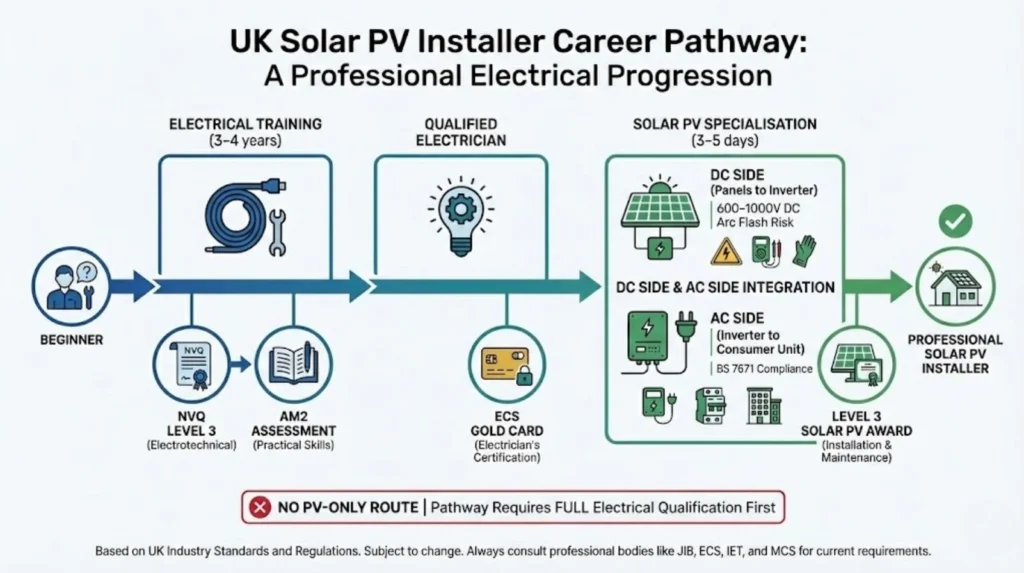
You cannot legally or safely become a Solar Photovoltaic (PV) installer without first qualifying as an electrician. There is no legitimate "PV-only installer" pathway bypassing electrical competence requirements. Solar PV systems comprise DC (Direct Current) arrays on rooftops generating electricity, feeding inverters converting DC to AC (Alternating Current), then integrating
- Charanjit Mannu
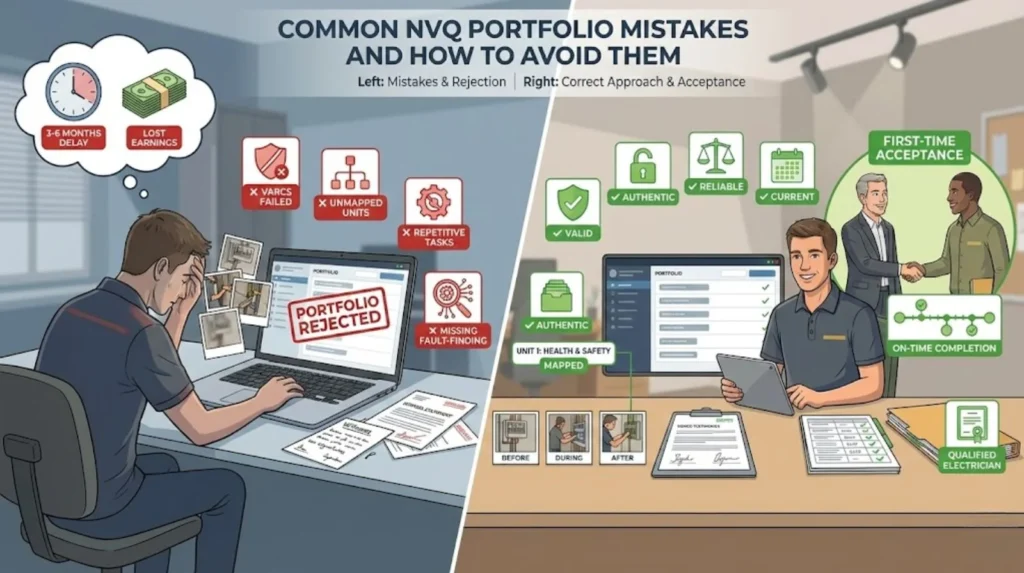
You've worked 15 months on electrical sites documenting installations across domestic rewires, commercial fit-outs, and industrial maintenance. Your portfolio contains 150 photos showing consumer unit installations, containment work, testing procedures, and circuit commissioning. Witness statements from qualified supervisors confirm you completed documented work. Testing certificates prove installations met BS 7671
- Charanjit Mannu
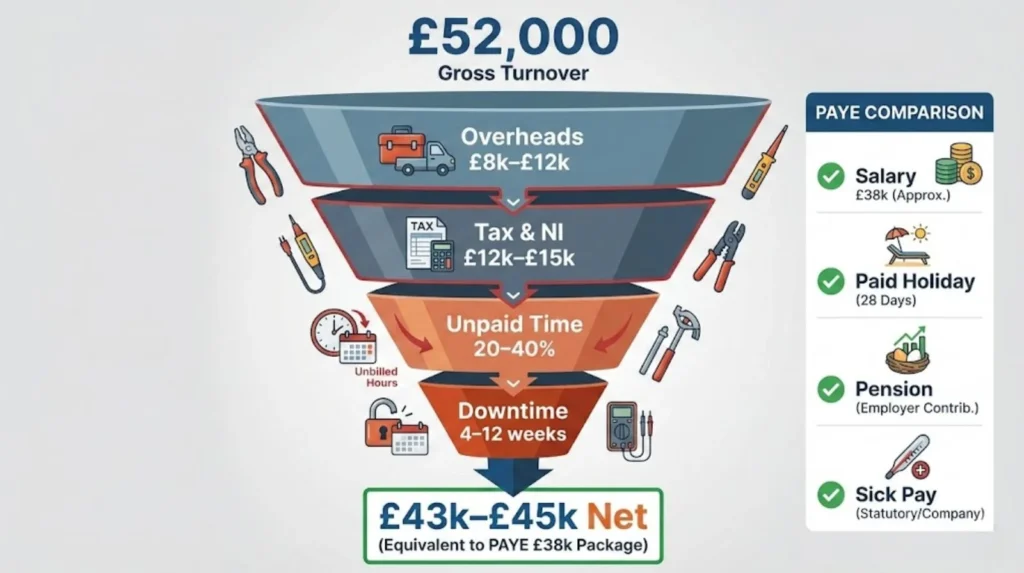
Self-employment's impact on electrician income requires examining the comprehensive analysis of electrician earnings across employment models distinguishing between gross turnover (total invoiced), business profit (after overheads), and net take-home pay (after tax/NI), because the common perception that "self-employed electricians earn significantly more" conflates gross day rates or hourly charges with
- Charanjit Mannu
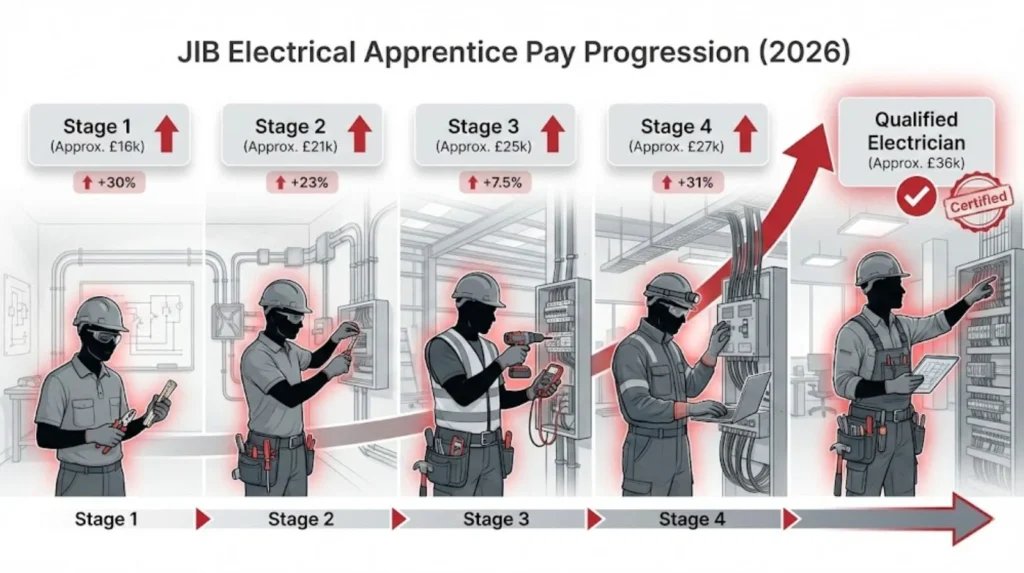
The jib apprentice rates for 2026 establish four-stage progression structure defining minimum wages for electrical apprentices employed by Joint Industry Board member firms across England, Wales, and Northern Ireland, with rates ranging from Stage 1 at £8.16/hour (£15,912 annually at standard 37.5-hour weeks, entry-level first year apprentices beginning electrical training
- Charanjit Mannu
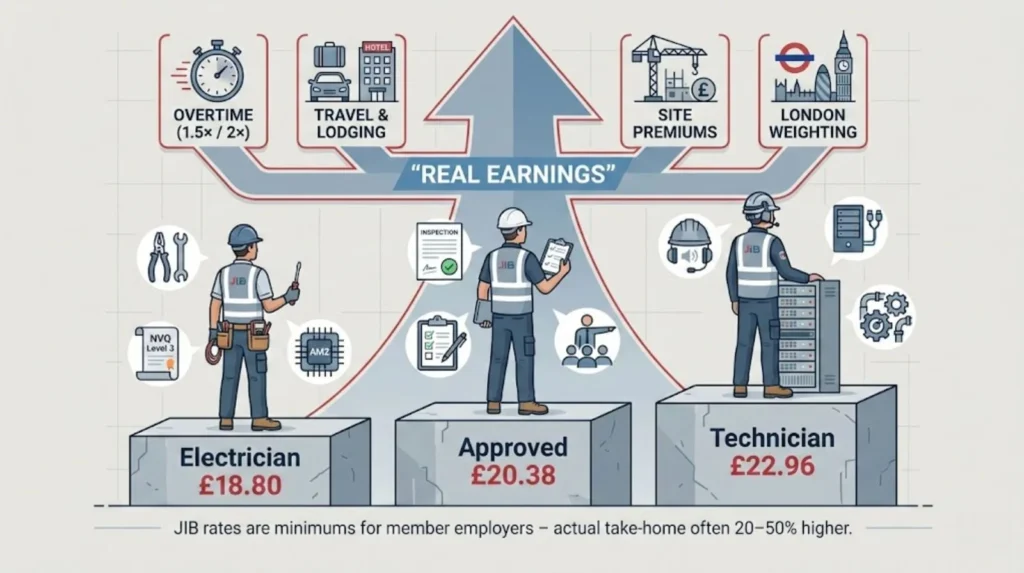
JIB electrician rates represent the minimum hourly wages for qualified electrical operatives working under Joint Industry Board collective agreements in England, Wales, and Northern Ireland, but understanding what these rates actually mean requires distinguishing between the headline hourly figure (the "floor" that participating employers cannot legally pay below), the employment
- Charanjit Mannu
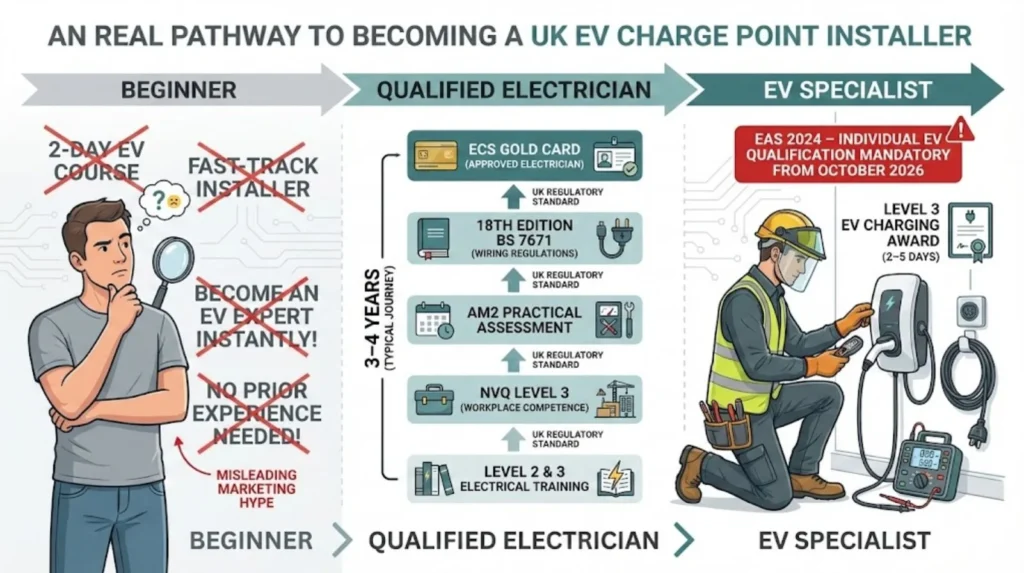
You cannot legally or safely become an Electric Vehicle (EV) charge point installer without first qualifying as an electrician. There is no shortcut "EV-only installer" pathway in the UK. EV charging equipment connects to 230V single-phase or 400V three-phase electrical supplies requiring circuit design, protective device selection, earthing system verification,
- Charanjit Mannu
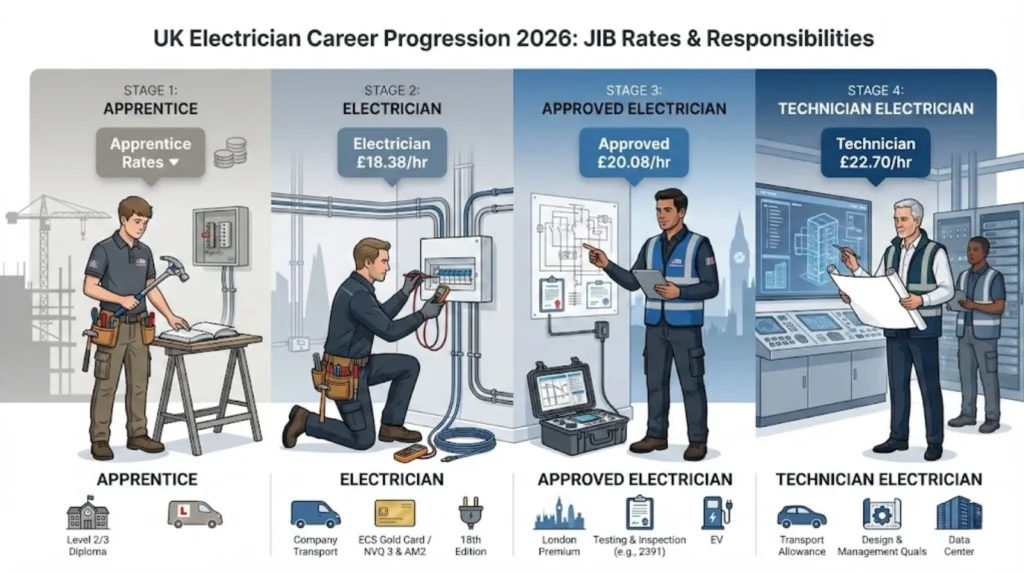
The jib rates 2026 effective Monday 5 January 2026 establish minimum hourly wages for qualified electrical operatives working under Joint Industry Board collective agreements across England, Wales, and Northern Ireland, with three core graded rates defining compensation structure: Electrician at £18.38/hour (£35,841 annual at standard 37.5-hour weeks) representing newly qualified
- Charanjit Mannu
Predicting how much do electricians make over the 2026-2030 period requires examining historical wage trends (ONS ASHE showing 3-4% nominal annual growth 2016-2024), macroeconomic forecasts (OBR projecting 3% UK average earnings growth with 2% inflation baseline), sector-specific demand drivers (grid upgrades, data centres, electrification creating acute shortages), and supply constraints
- Charanjit Mannu
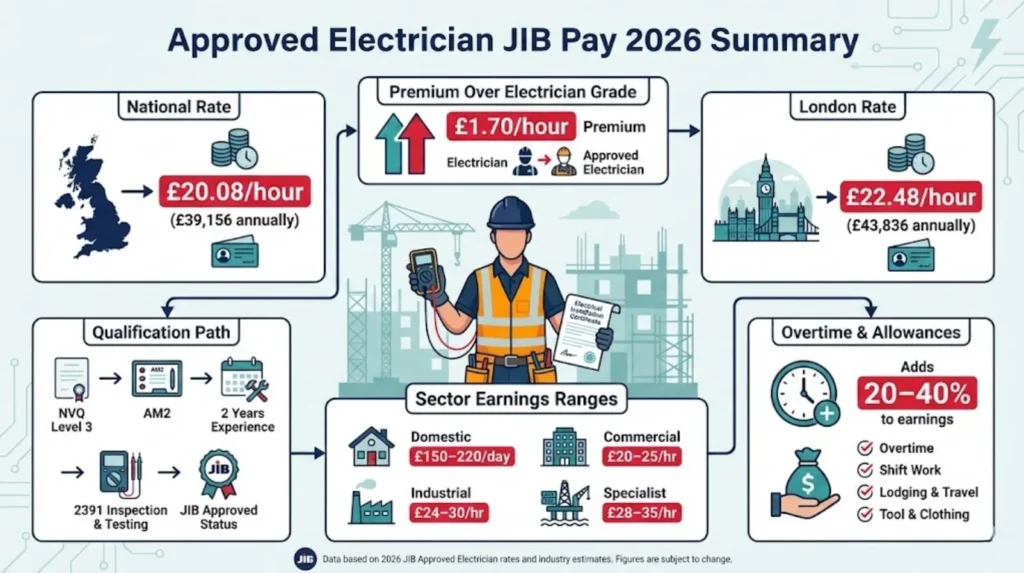
Approved Electrician status under the jib 2026 rates establishes minimum hourly wage of £20.08 for National Transport Provided employment (£39,156 annually at standard 37.5-hour weeks) representing £1.70/hour premium over baseline Electrician grade (£3,315 annually, roughly 9.3% increase) and positioning Approved operatives as mid-career professionals competent in inspection, testing, and independent
- Charanjit Mannu
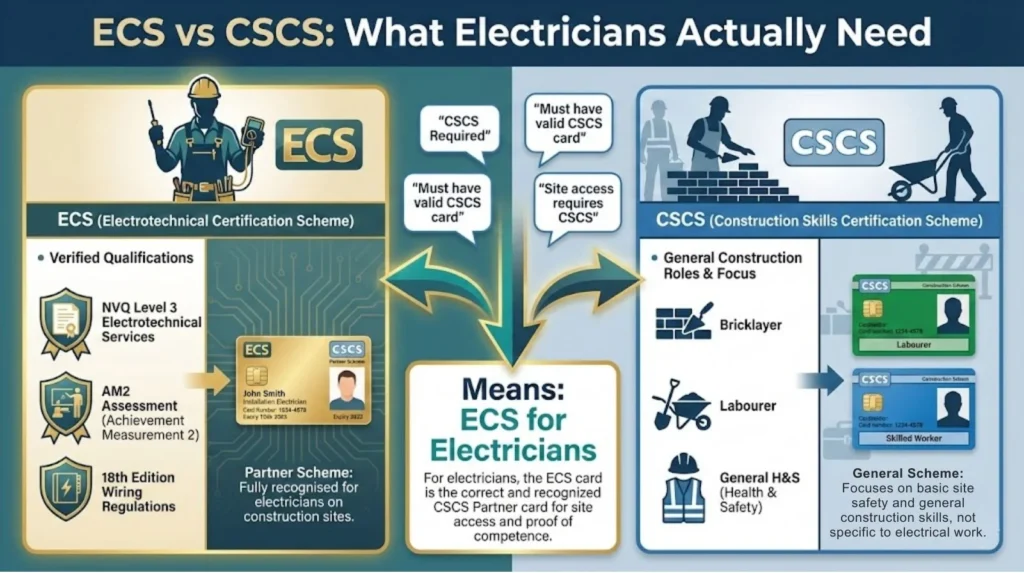
UK electricians encounter persistent confusion distinguishing between ECS (Electrotechnical Certification Scheme) and CSCS (Construction Skills Certification Scheme) cards, often resulting from contradictory information in job advertisements, inconsistent site access policies, and recruitment agents using terminology interchangeably despite fundamental differences between schemes.
- Charanjit Mannu
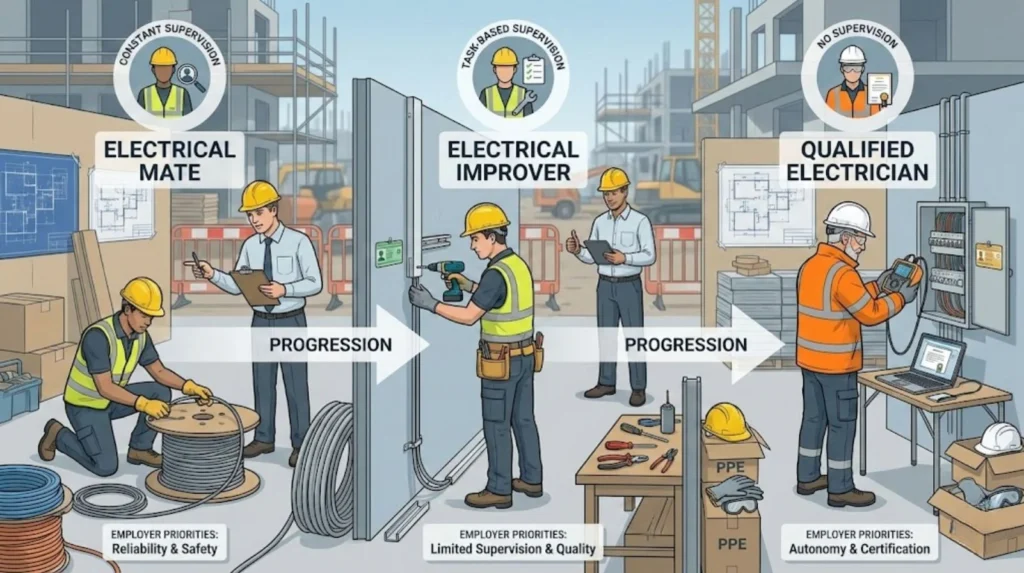
Electrical contractors hiring mates and improvers operate under different decision framework than training providers issuing qualifications. Understanding this distinction prevents costly misunderstandings about employability versus certification. Employers minimize two primary risks: safety liability under Health and Safety Executive Electricity at Work Regulations requiring workers possess adequate competence or supervision, and
- Charanjit Mannu
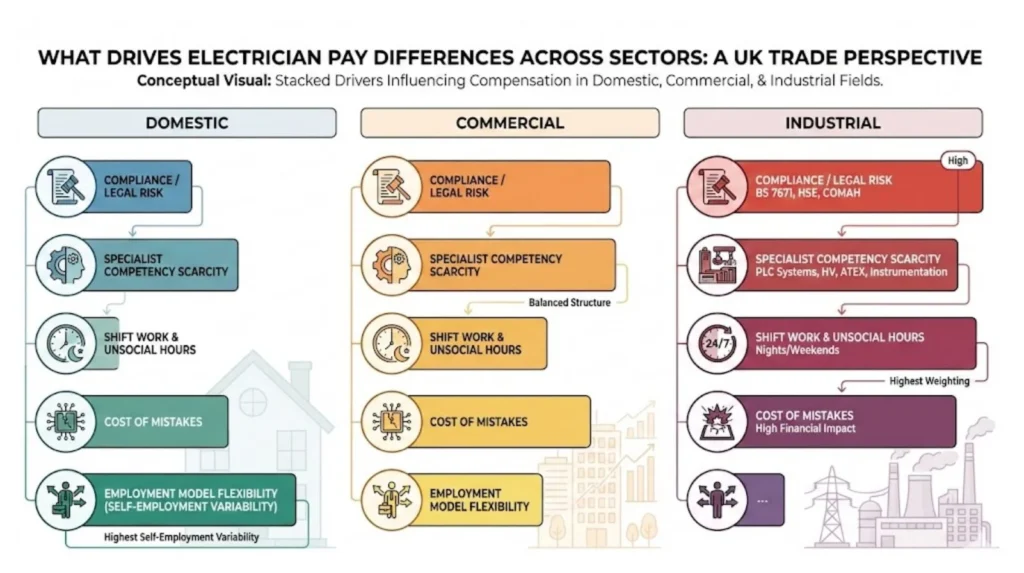
Electrician salary varies more by sector than many electricians realise when starting their careers. Domestic electricians working in residential properties, commercial electricians in offices and retail spaces, and industrial electricians in factories and manufacturing plants face fundamentally different working patterns, compliance requirements, technical demands, and pay structures. The assumption that
- Charanjit Mannu
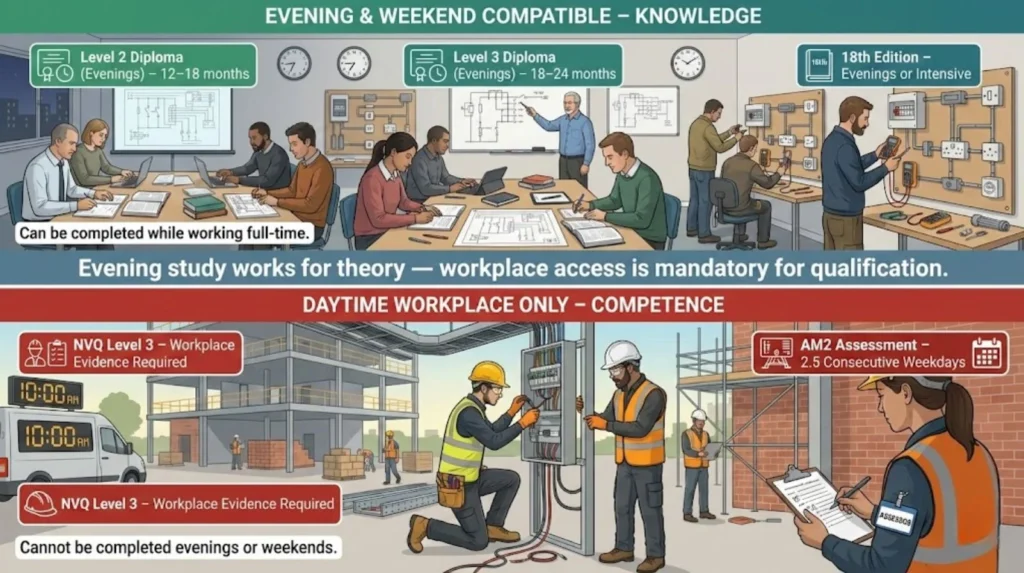
Yes, you can complete knowledge-based electrical qualifications (Level 2 and Level 3 diplomas, 18th Edition Wiring Regulations) via evening or weekend classes while working full-time. These theory and workshop practical components are genuinely compatible with flexible delivery timetables offered by Further Education colleges and some private training providers.
- Charanjit Mannu
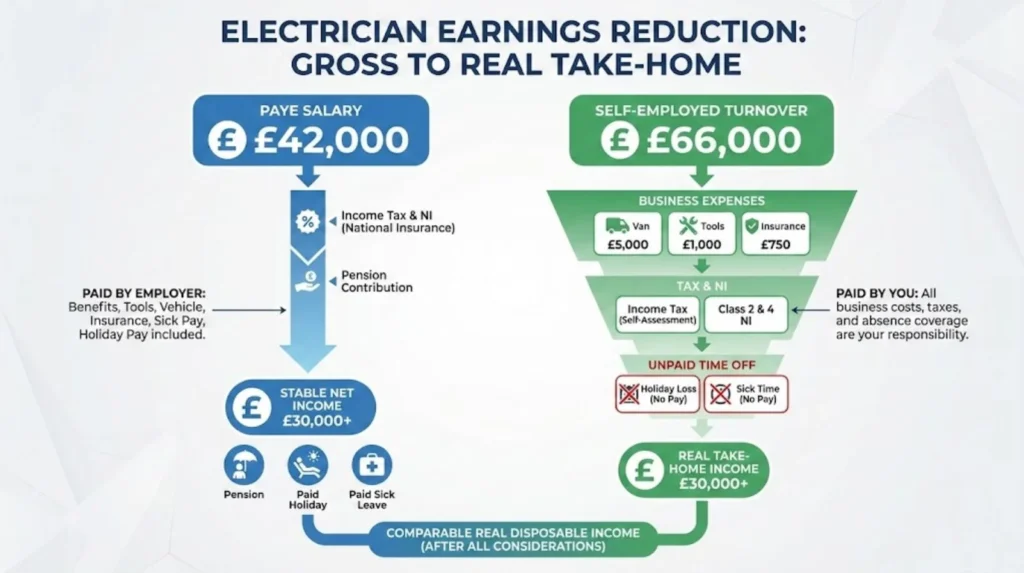
The conversation about electrician salary in the UK splits into two camps almost immediately. PAYE electricians quote annual salaries of £35,000-£45,000 and talk about stability, paid holidays, and employer pensions. Self-employed electricians mention day rates of £250-£350 and calculate annual earnings north of £60,000. On paper, self-employment appears to offer
- Charanjit Mannu
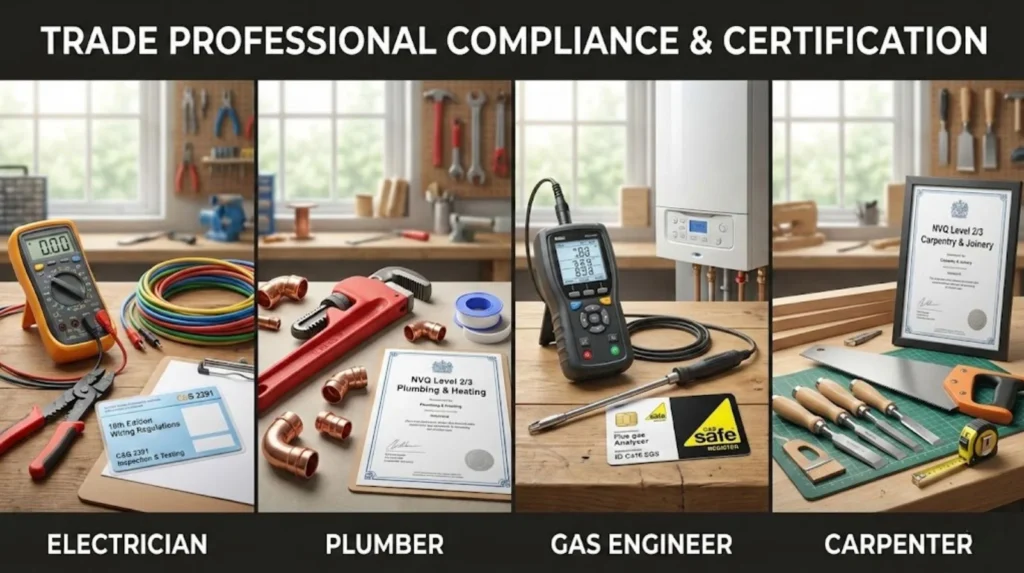
Questions like "how much do electricians make compared to plumbers?" or "do gas engineers earn more than carpenters?" assume simple answers. They don't exist. ONS data for 2025 shows median full-time earnings of approximately £38,760 for electricians, £35,000-£38,000 for plumbers, £40,000-£45,000 for gas engineers (often bundled with plumbers in official
- Charanjit Mannu
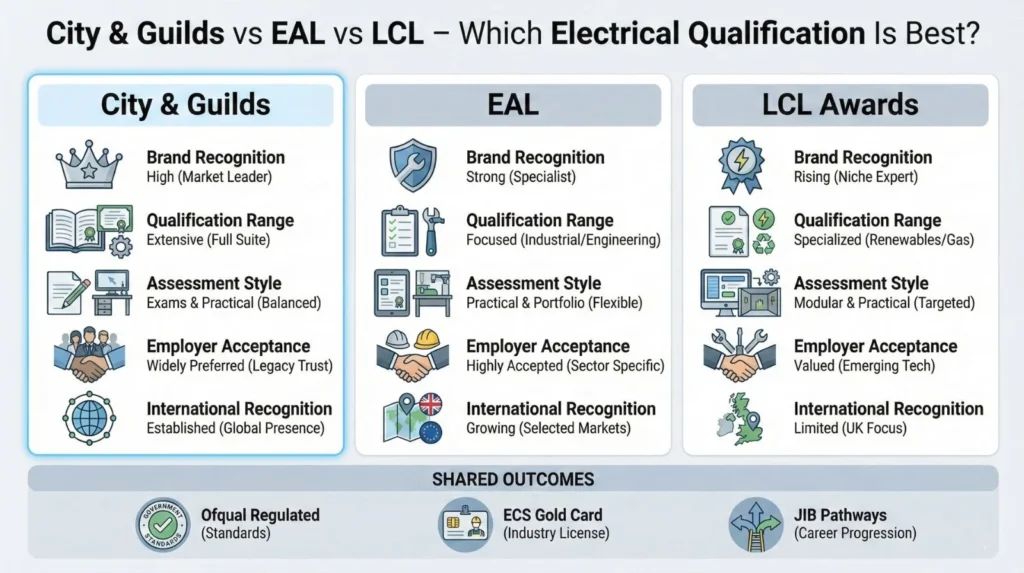
Prospective electricians researching UK electrical qualifications quickly encounter three main awarding bodies: City & Guilds, EAL (Excellence, Achievement & Learning), and LCL Awards (formerly Logic Certification). The question "which is best?" appears repeatedly in forums, Facebook groups, and training provider consultations, often creating anxiety that choosing the "wrong" awarding body
- Charanjit Mannu
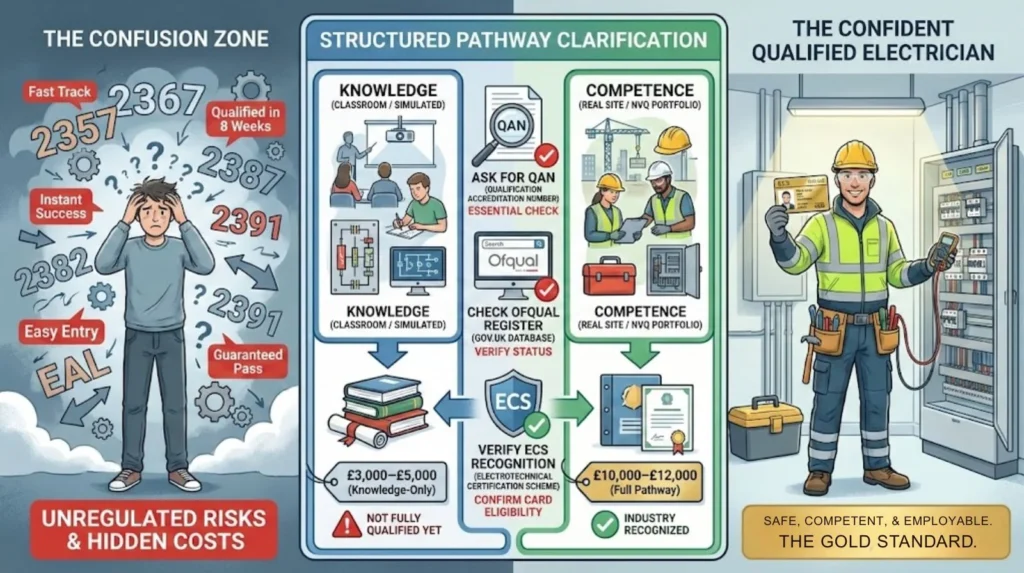
UK electrical qualification codes create confusion that costs learners thousands of pounds in misdirected training investments and delayed career progression. Course codes like "2365," "2357," "2382," and "2391" appear constantly in training provider marketing, job advertisements, and industry discussions, often presented as if their meanings are self-evident when reality is
- Charanjit Mannu
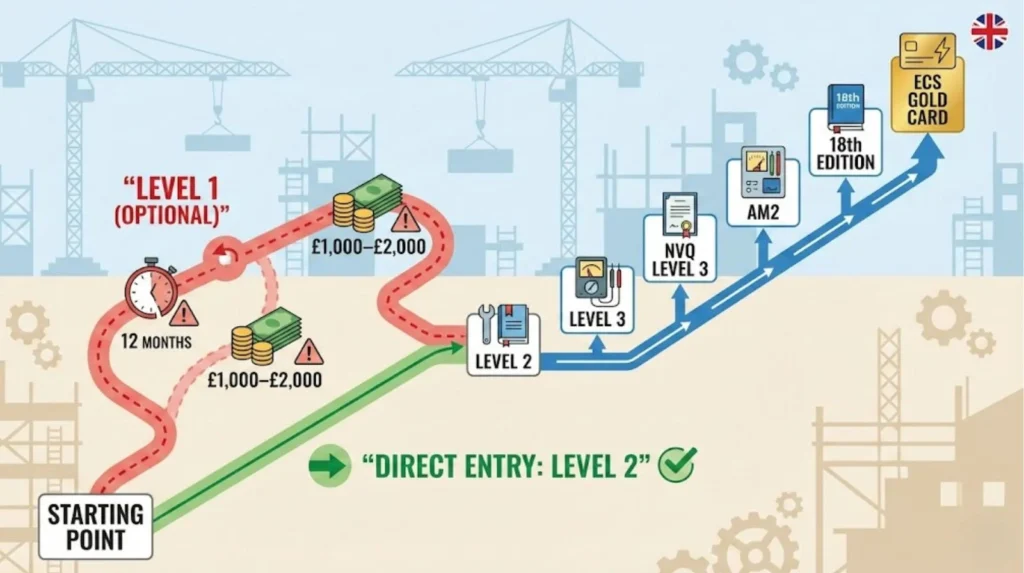
Ask an electrician how much do electricians make and you'll get three completely different answers depending on whether they're paid hourly under a JIB agreement, working CIS day rates through an agency, or doing price-work on new build housing. A £20.25 per hour JIB rate sounds modest compared to a
- Charanjit Mannu
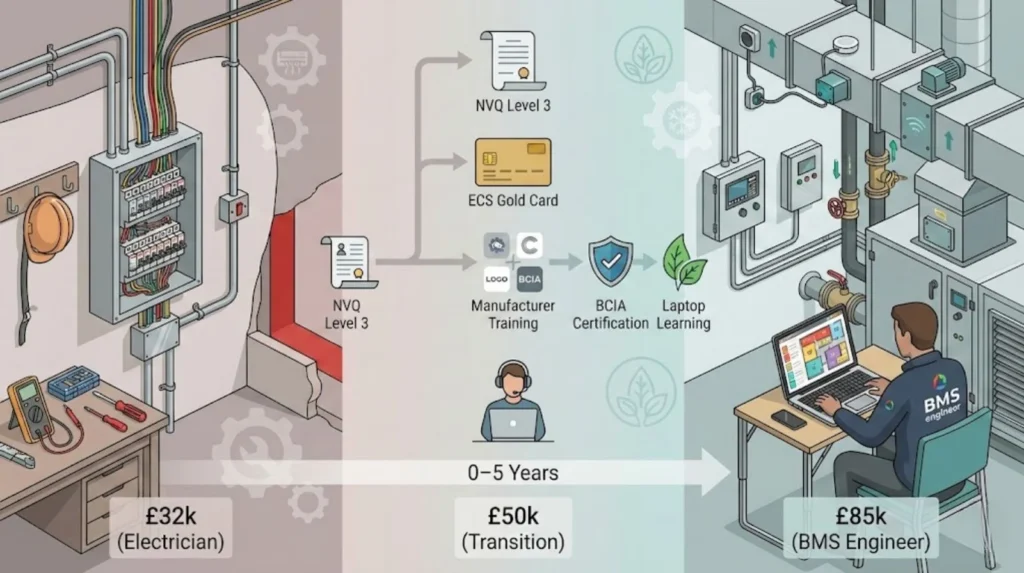
Building Management Systems represent one of the strongest career progression routes for qualified electricians in the UK, driven by government decarbonisation targets requiring almost every commercial building to upgrade energy management capabilities by 2030. The BEMS market grew 11.9% in Q2 2025 according to Building Controls Industry Association data, creating
- Charanjit Mannu
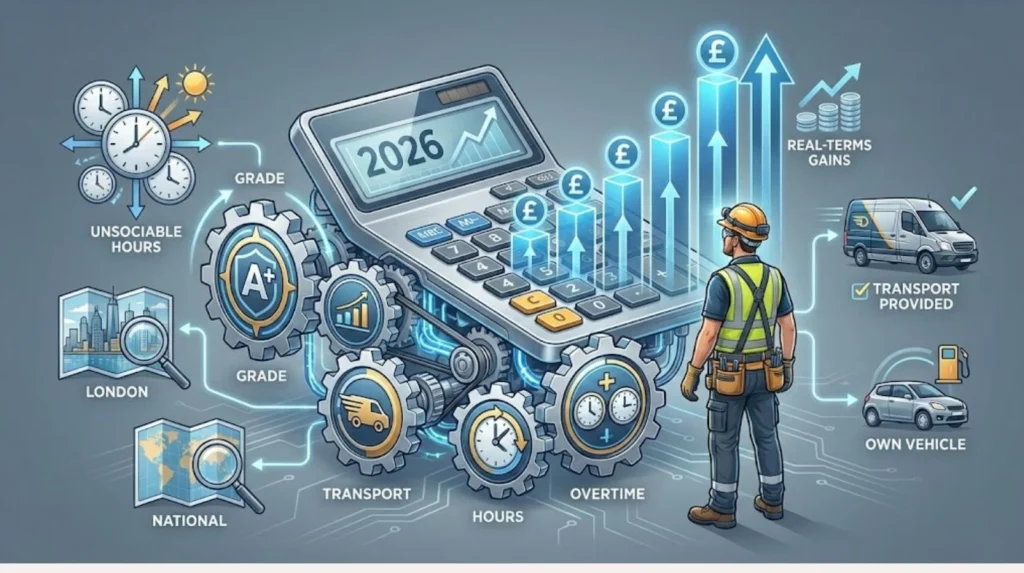
The 2026 JIB pay rise, effective Monday 5 January 2026, delivers a 3.95% increase to hourly rates for graded electrical operatives across England, Wales, and Northern Ireland as the first year of a three-year wage agreement negotiated between the Electrical Contractors' Association and Unite the Union. Industry coverage of this
- Charanjit Mannu
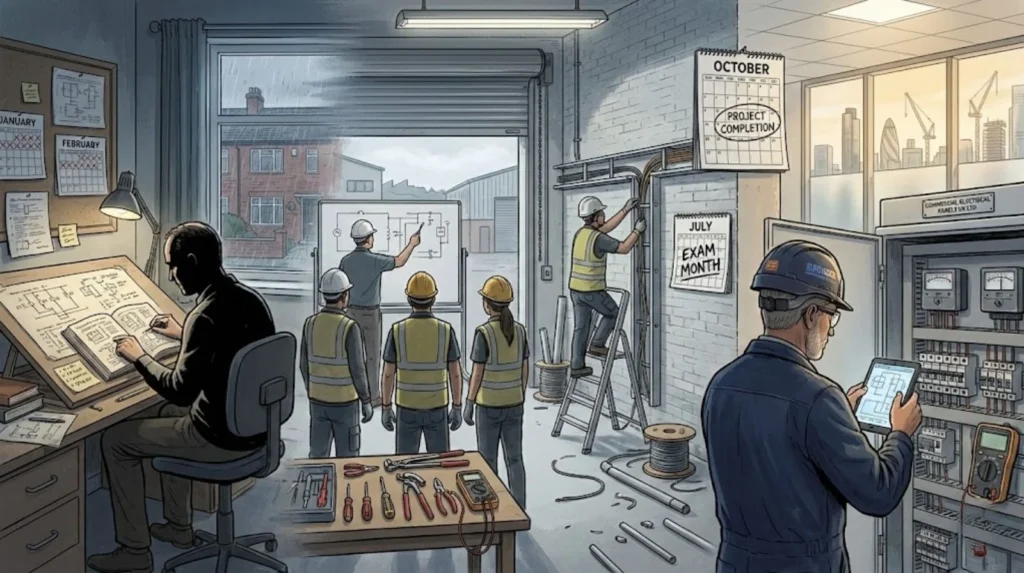
The question appears in search boxes thousands of times monthly from people in their 30s, 40s, and 50s: "Is it too late to become an electrician?" Behind the question sits fear that electrician training has an invisible age ceiling, that employers won't hire older trainees, that physical demands exclude anyone
- Charanjit Mannu
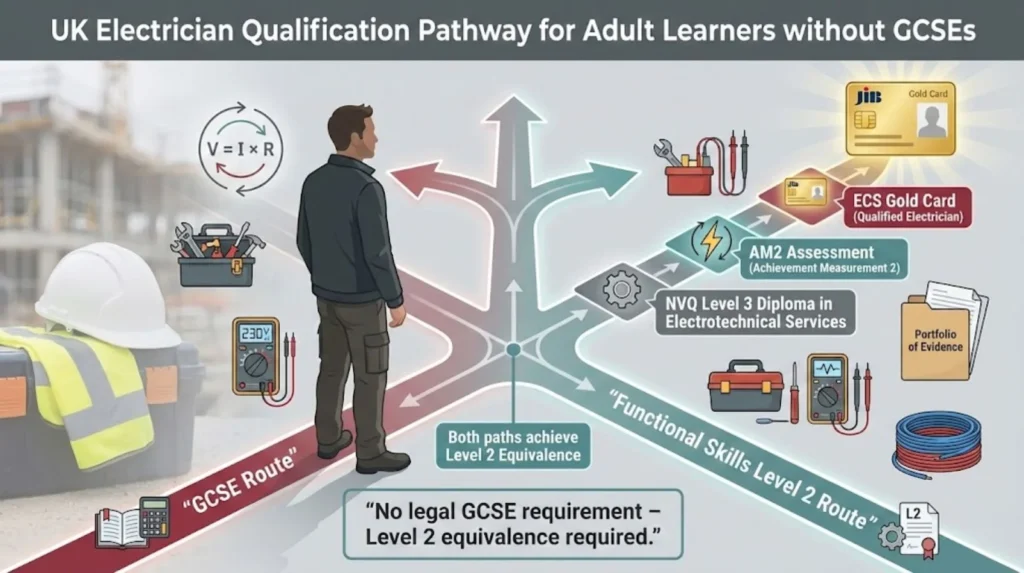
The question appears constantly in search boxes and training forums: "Can you become an electrician without GCSEs?" The answer creates confusion because the legal position differs from funding rules, which differ from qualification requirements, which differ from employer behavior, and all of it gets wrapped together into blanket statements that
- Charanjit Mannu
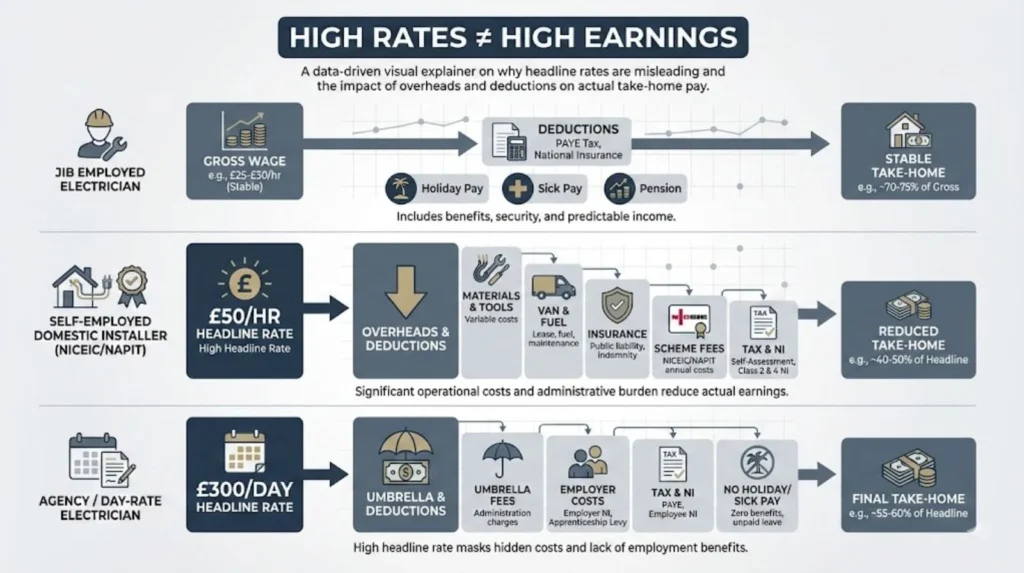
Electricians researching career paths, comparing employment options, or evaluating qualification investment payback frequently search "JIB vs NICEIC vs NAPIT pay" or variations asking "which pays more" between these three acronyms that dominate UK electrical industry discussions. This question appears reasonable on surface - after all, JIB Gold Cards, NICEIC registration,
- Charanjit Mannu
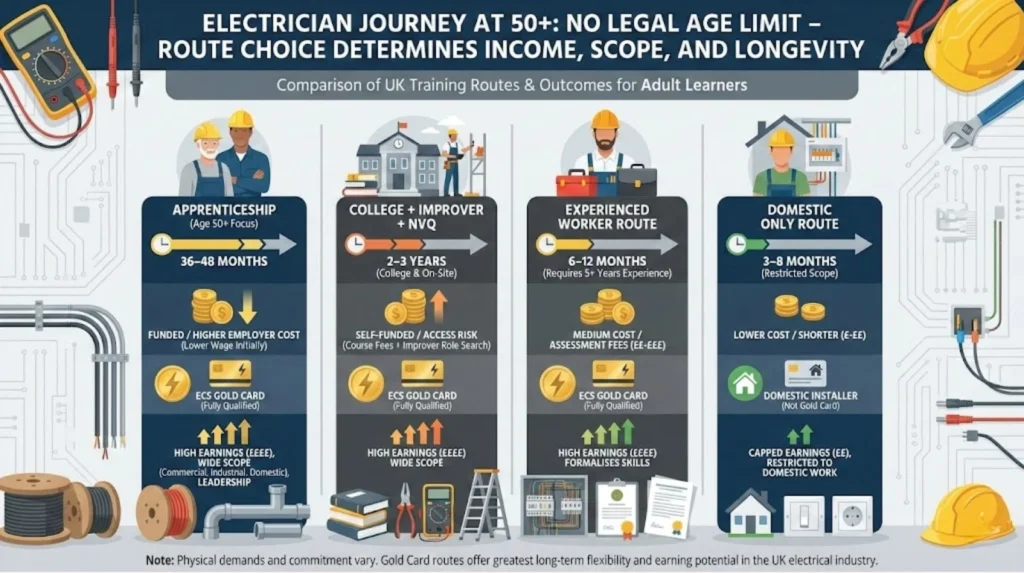
"Is it too late to become an electrician at 50?" ranks among the most searched questions from older career changers in UK construction trades. The short answer creates false hope. The complete answer requires honesty about what changes at 50 compared to younger entrants. Legally, there is no upper age
- Charanjit Mannu
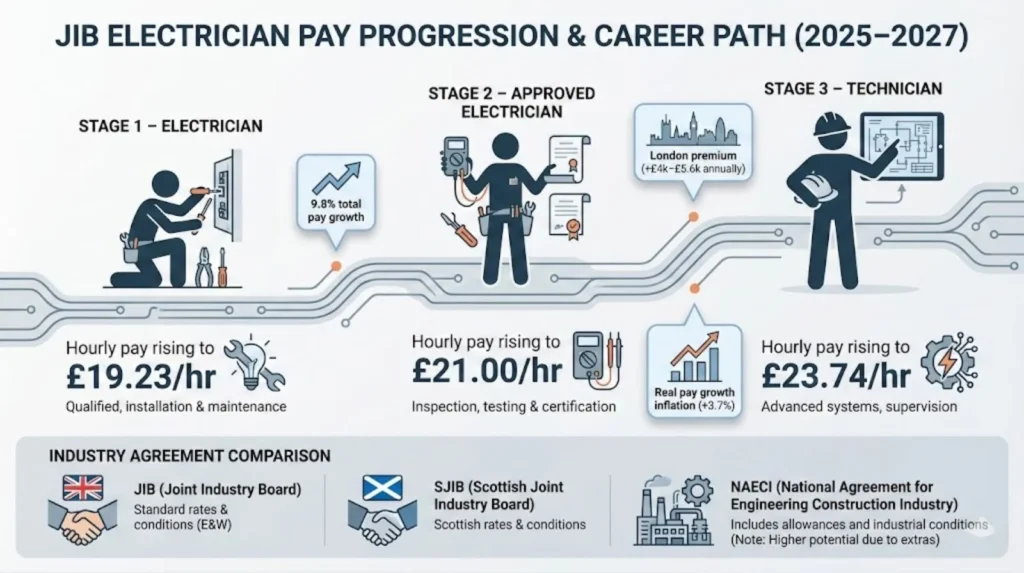
JIB pay bands are the most widely used wage framework for PAYE electricians working in England, Wales, and Northern Ireland, but headline hourly rates tell only part of the story. The difference between an Electrician earning £19.23 per hour and a Technician earning £23.74 per hour in 2027 represents not
- Charanjit Mannu
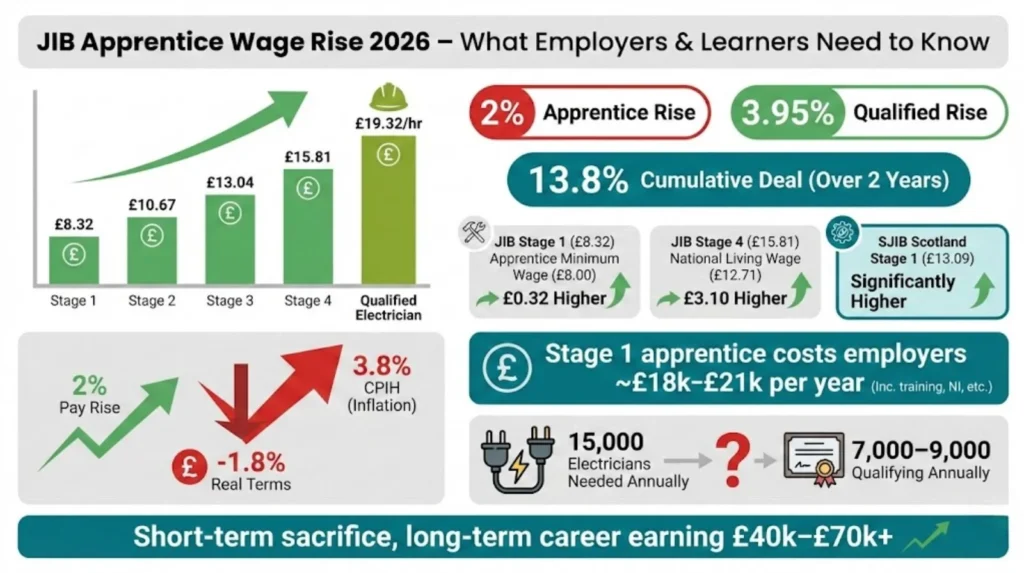
JIB apprentice rates are frozen in 2026 — there is no increase for apprentices this year. Fully qualified colleagues receive a 3.95% rise from January 2026. For apprentices, Stage 1 remains £8.16 per hour nationally (£9.14 in London), and Stage 4 remains £14.03 nationally. The three-year deal does include apprentice
- Charanjit Mannu
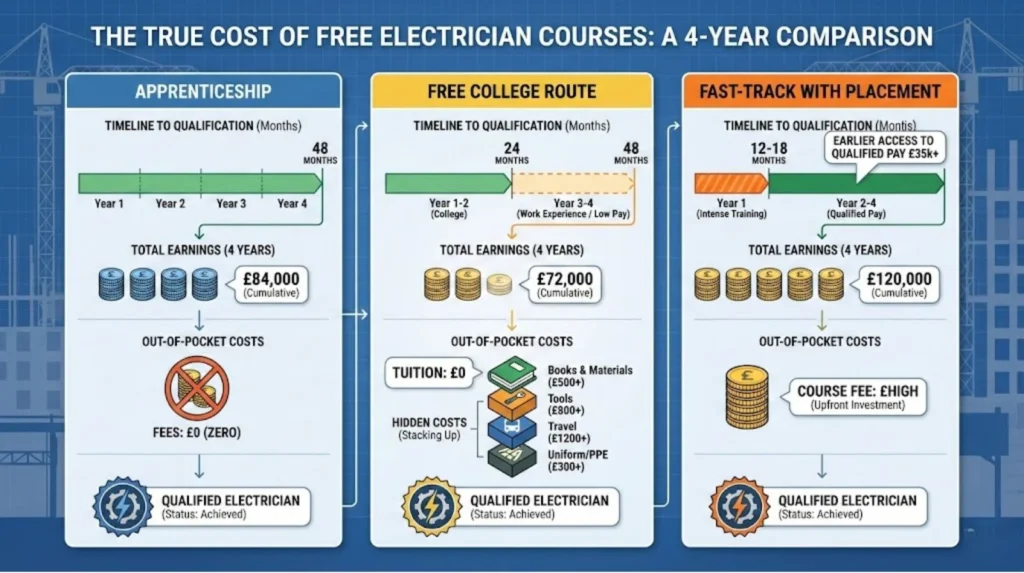
Search "free electrician courses UK" and you'll find dozens of providers advertising zero-cost training. Some of these offers are genuine. Government schemes like Free Courses for Jobs, Adult Education Budget, Skills Bootcamps, and devolved equivalents in Scotland, Wales, and Northern Ireland do fund electrical qualifications at no direct cost to
- Charanjit Mannu
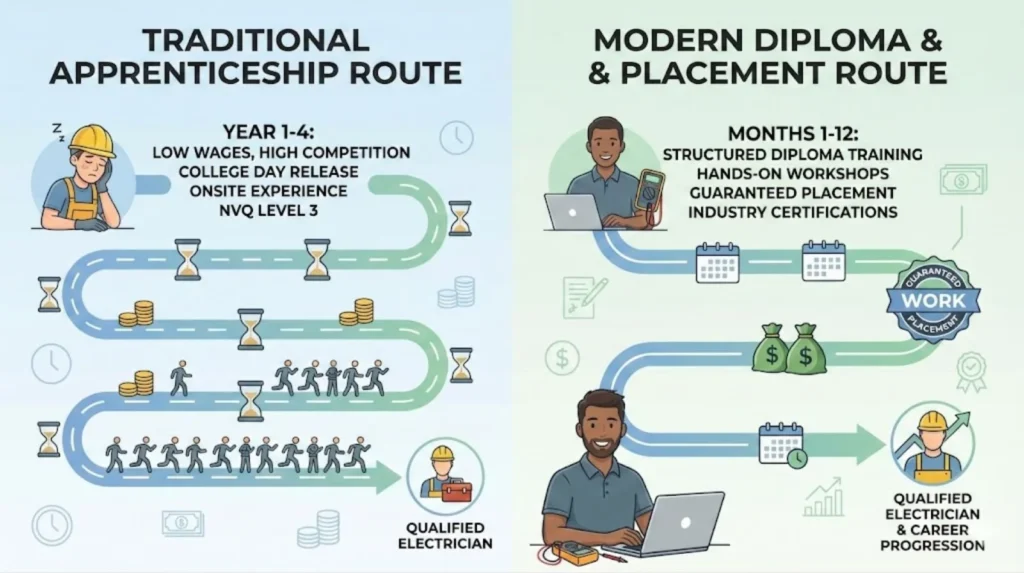
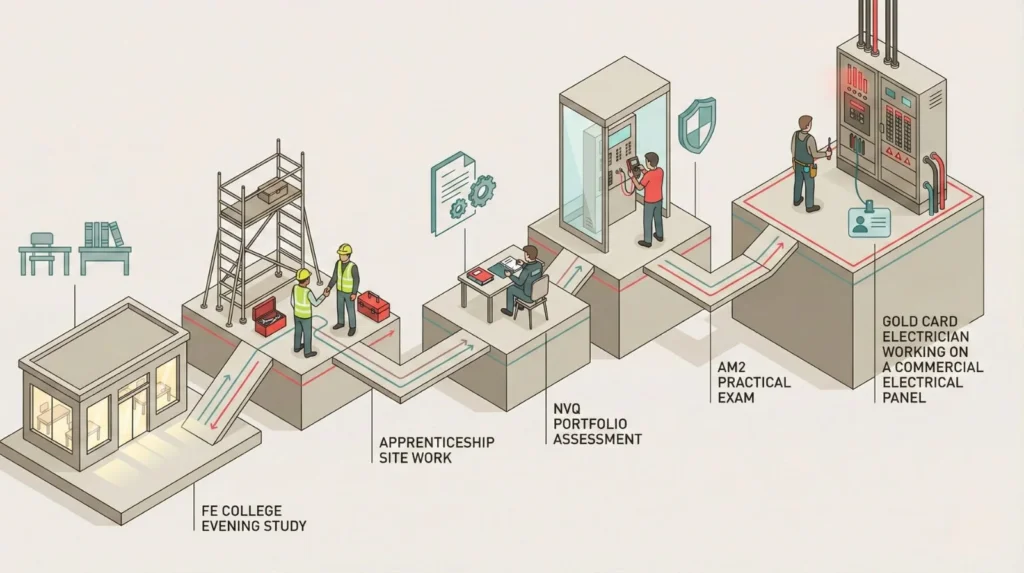
An electrical apprenticeship is the traditional, highly respected route into the UK electrical trade, combining paid employment with structured training to achieve Level 3 Electrotechnical Qualification, NVQ Level 3, AM2 assessment, and eligibility for the ECS Gold Card. It typically takes 3-4 years, with apprentices spending approximately 80% of time
- Charanjit Mannu
The electrician shortage keeps pushing wages higher. Gold Card holders are invoicing £200-£300 daily. PAYE positions advertise £32,000-£45,000 starting salaries. Naturally, people want in, but the first question is always about cost. Can you actually become a qualified electrician on a budget? The answer is yes, but the route that
- Charanjit Mannu

When people talk about building a career in engineering, they often describe the influence of mentors, the value of education, or the importance of professional networks. But for many—especially those navigating new countries, raising families, or overcoming financial barriers—the real story is one of resilience. Few journeys illustrate this better
- Charanjit Mannu
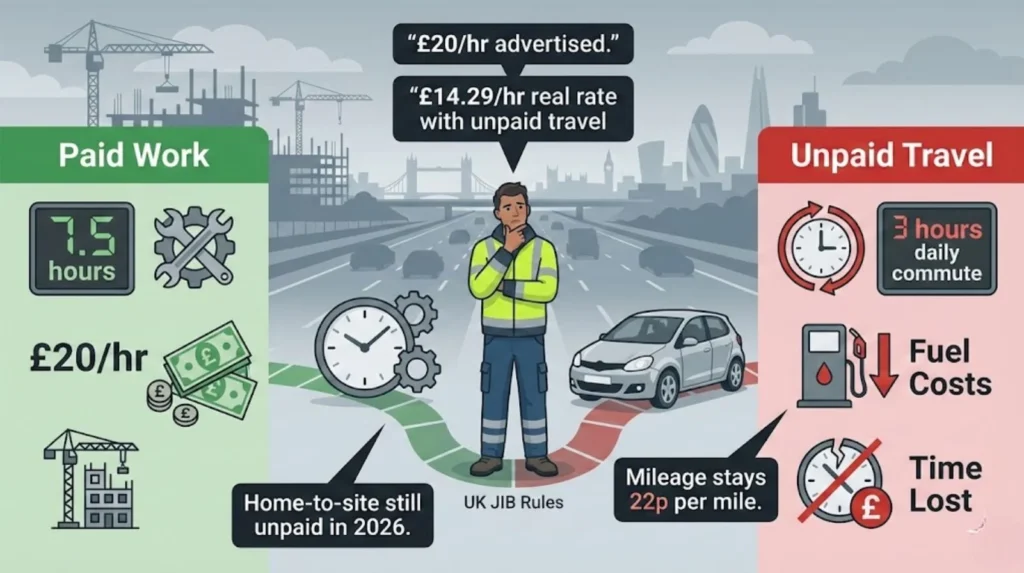
An electrician earning £20 per hour sounds straightforward until you factor in two hours of daily unpaid travel, mileage that doesn't cover the full cost of running a van, or lodging allowances that fall short of actual hotel prices. The Joint Industry Board (JIB) National Working Rules govern not just
- Charanjit Mannu
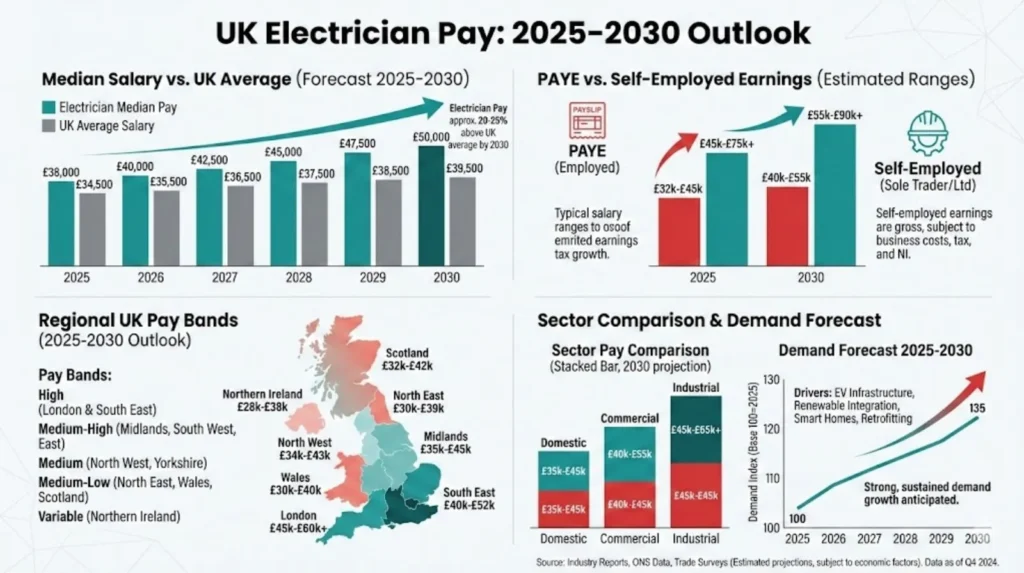
Ask whether electricians are well paid in the UK and you'll get wildly different answers depending on who you're talking to. A self-employed spark billing £400 per day in the South East will tell you it's one of the best trades going. A PAYE electrician in London earning £42,000 and
- Charanjit Mannu
- News
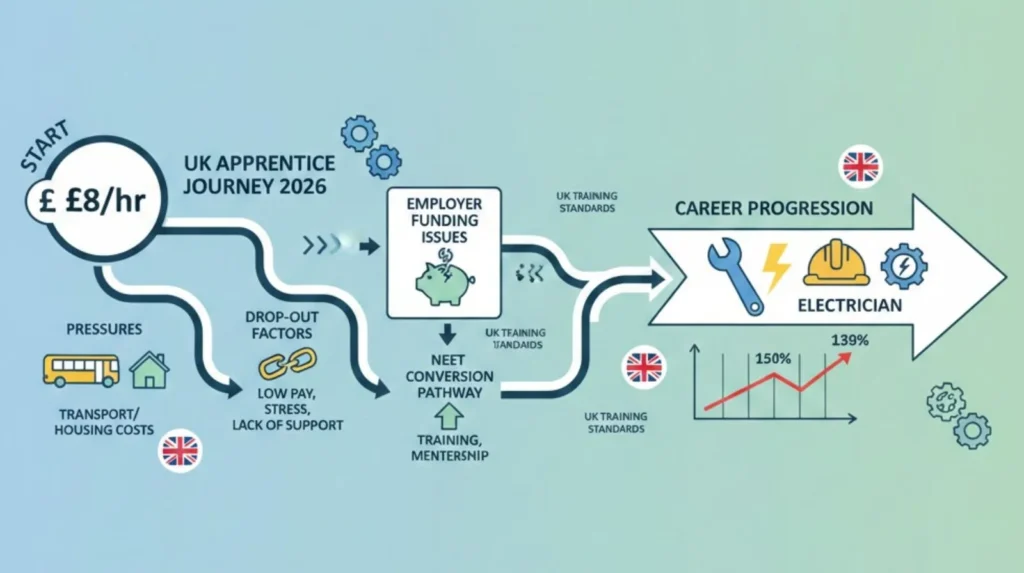
HM Treasury's Autumn Budget 2025 confirmed statutory wage increases across all minimum wage rates from 1 April 2026. Chancellor Rachel Reeves announced the apprentice minimum wage will rise from £7.55 to £8.00 per hour, a 6% nominal increase. The rise affects apprentices under 19 years old and those aged 19
- Charanjit Mannu
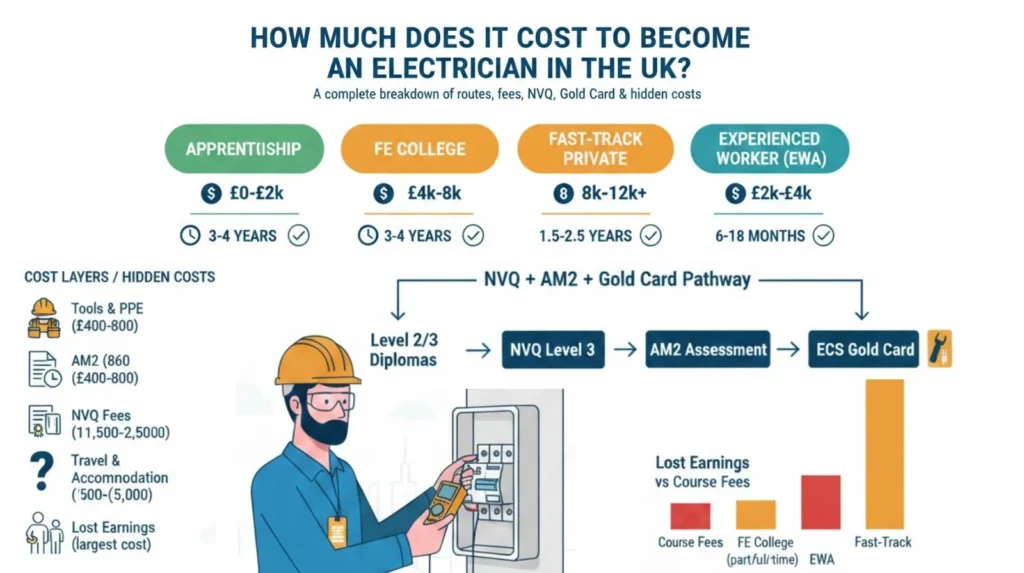
Becoming a qualified electrician in the UK requires achieving NVQ Level 3 (or equivalent), passing the AM2 practical assessment, and obtaining the ECS Gold Card that proves competence to employers and construction sites. The financial cost to reach that point varies dramatically depending on your chosen pathway, from virtually zero
- Charanjit Mannu
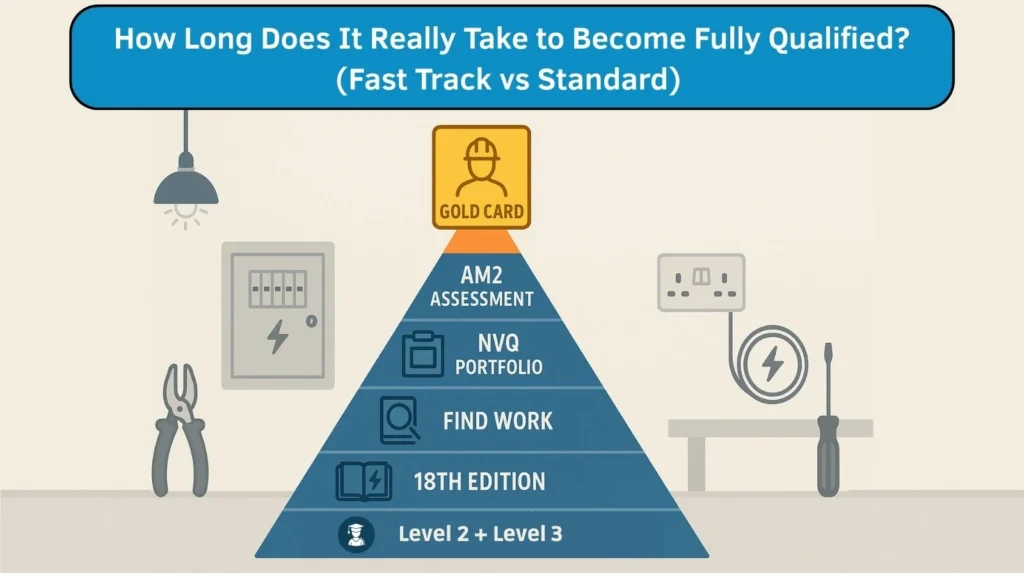
If you've researched becoming an electrician in the UK, you've probably seen wildly different timelines. "Qualified in 8 weeks!" says one provider. "3-4 years minimum" says another. "12-18 months as an adult learner" claims a third. So which is it? The confusion exists because different providers are measuring different things.
- Charanjit Mannu
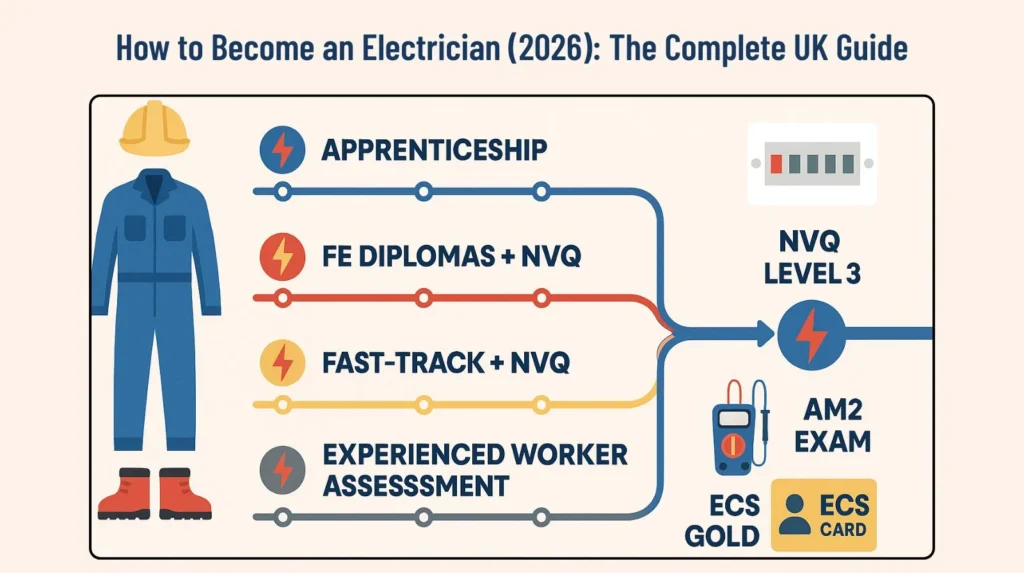
The UK electrical trade faces sustained skills shortages projected to intensify through 2030, driven by simultaneous pressures from net-zero transition targets, electric vehicle infrastructure rollout, renewable energy installations, construction sector growth, and the retirement of experienced electricians without sufficient new entrants to replace them. Government projections estimate the UK requires
- Charanjit Mannu
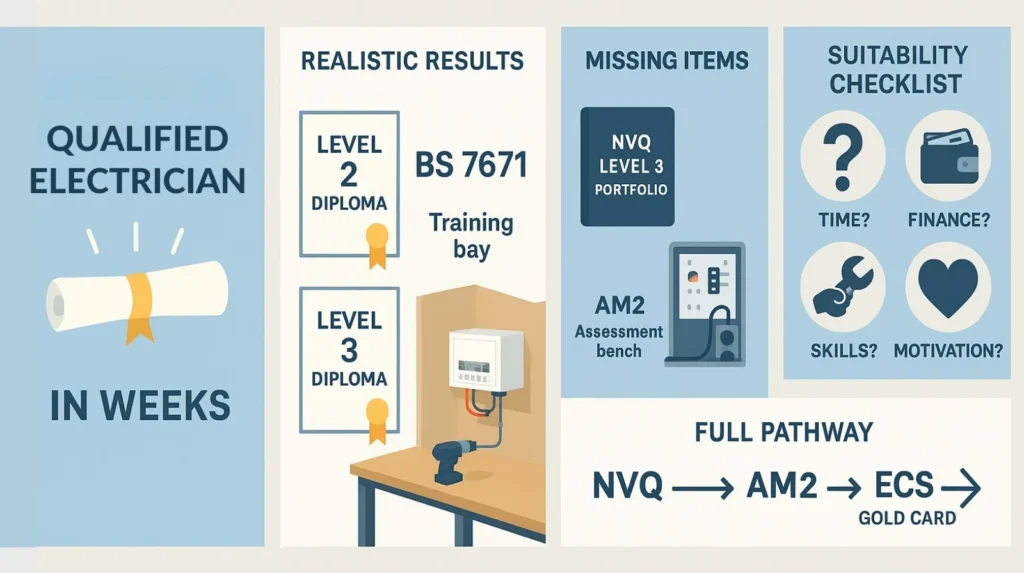
If you’ve been looking at retraining as an electrician, you’ve probably seen the adverts. “Become an electrician in 4 weeks.” “Fast-track to a qualified electrician career.” “Gold Card in 12 weeks.” They’re everywhere, especially on social media and Google search results. The UK has a massive skills shortage in the
- Charanjit Mannu

The Electrotechnical Assessment Specification got a major overhaul in October 2024, and if you’re registered with NICEIC, NAPIT, ELECSA, or any other Competent Person Scheme, this affects you. The October 2026 deadline isn’t a suggestion. It’s the cutoff date for mandatory individual competence across EV charging, solar PV, battery storage,
- Charanjit Mannu
If you’re researching what electricians actually earn in 2026, you’ve probably seen wildly conflicting claims. Training centres promise £50,000 in two years. Forum posts report £13 per hour for newly qualified sparks. Recruitment ads list £60,000 salaries that seem disconnected from reality. So what’s the truth? The answer depends on
- Charanjit Mannu
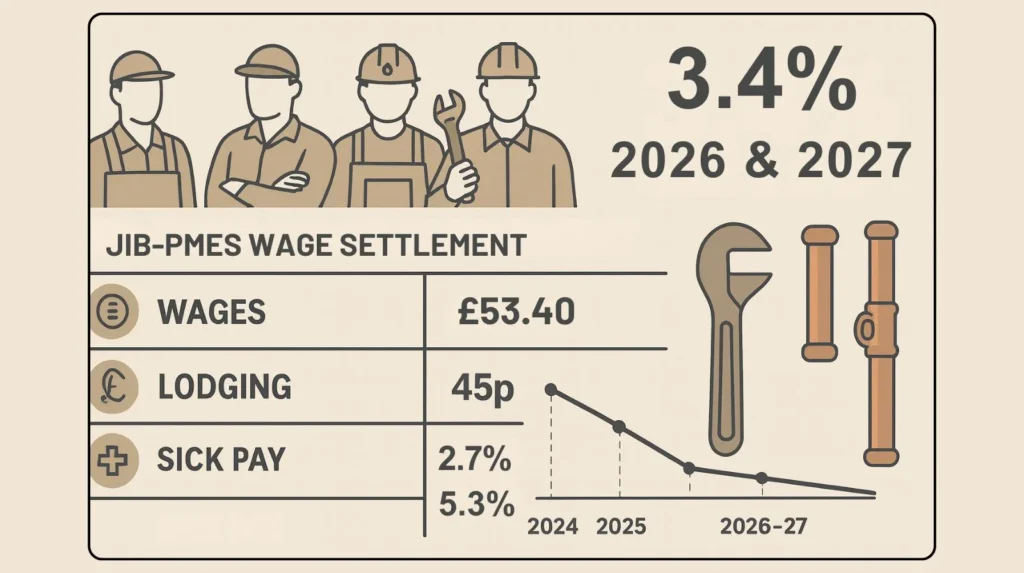
The Joint Industry Board for Plumbing Mechanical Engineering Services (JIB-PMES) has confirmed a two-year wage settlement covering 2026 and 2027. All operatives employed under the National Working Rule Agreement (NWRA) will receive a 3.4% increase to wages and allowances from 5 January 2026, followed by another 3.4% increase from 4
- Charanjit Mannu
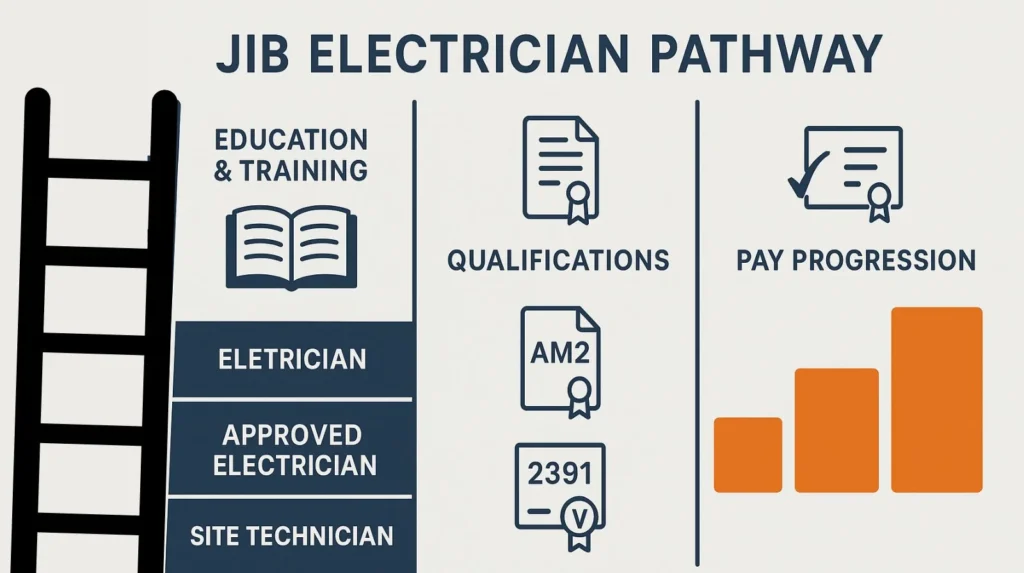
If you've spent any time on ElectriciansForums or Reddit's r/ukelectricians, you've seen the arguments. "Does a Gold Card mean you're Approved or Technician?" "Can you skip straight to Approved with a 2391?" "I've got 10 years on the tools, why am I still graded as a Labourer?". Here's the thing:
- Charanjit Mannu

If you're starting an electrical apprenticeship in the UK, or you're already a few months into Stage 1 wondering why your payslip is so tight, here's what you need to know: JIB apprentice rates are mandatory minimums for employers who are members of the Joint Industry Board. They're structured across
- Charanjit Mannu

The question comes up constantly on sites, in forums, and from learners approaching qualification: "Which ECS card do I actually need?" Followed immediately by: "What's the difference between a Gold Card and Domestic Installer?" and "Can I use my CSCS card for electrical work?" Honestly, the confusion is understandable because
- Charanjit Mannu

The JIB Gold Card is the UK electrical industry's most recognised credential. Pass your NVQ Level 3, complete your AM2 assessment, and you're officially a qualified electrician. But here's what the training ads won't tell you upfront: your Gold Card doesn't come with a fixed salary attached to it. JIB
- Charanjit Mannu
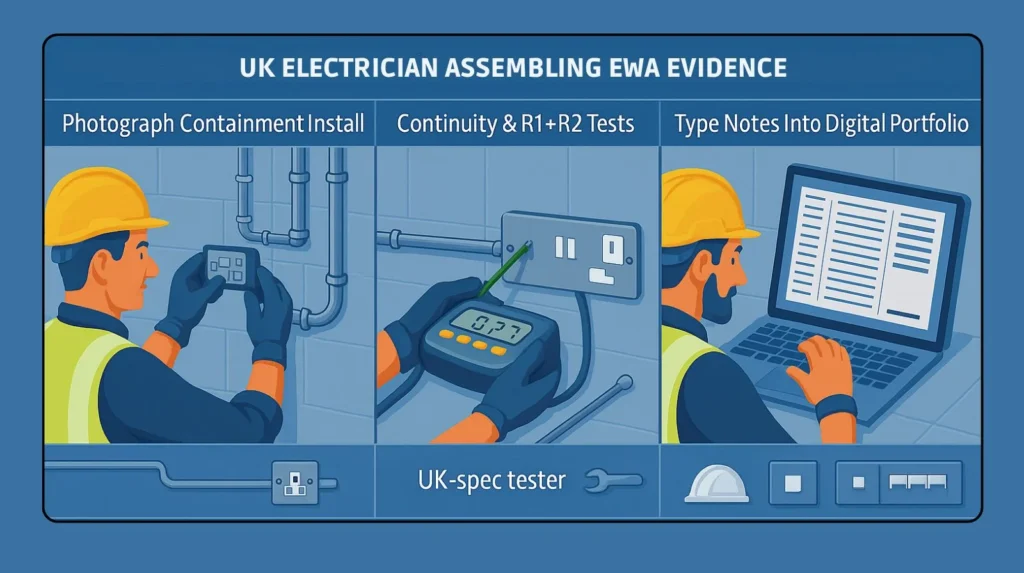
The question comes up constantly from electricians who've been working for years without formal qualifications: "Can I get my Gold Card without doing a full apprenticeship?" or "I've got 8 years experience but no NVQ, what are my options?" The answer is the Experienced Worker Assessment, but the confusion around
- Charanjit Mannu
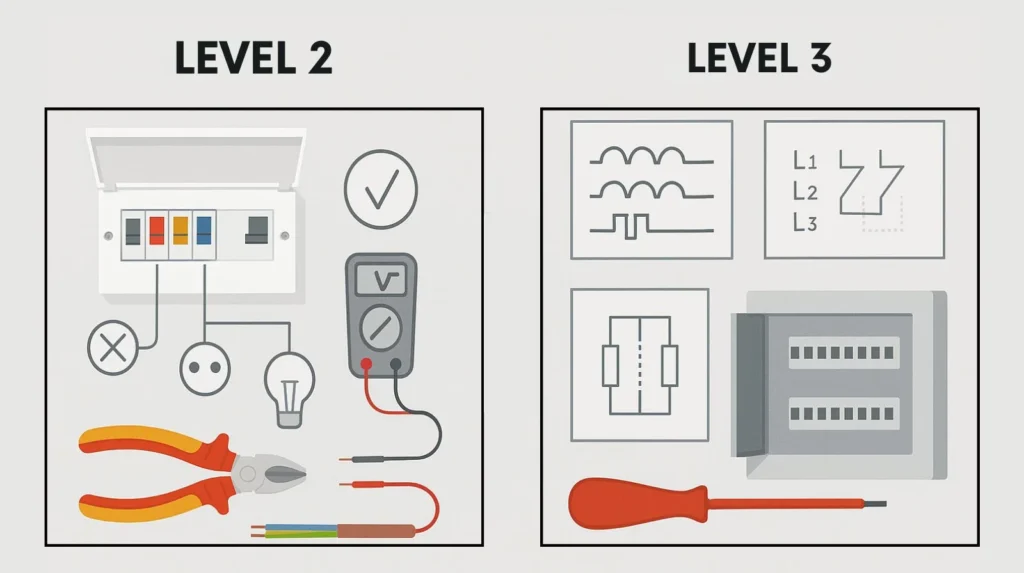
The question comes up constantly from learners researching electrical training: "Do I need Level 2 before Level 3?" Followed immediately by: "Can I skip Level 2 and go straight to Level 3?" and "What's actually different between them?" Honestly, the confusion makes sense because training providers market courses with varying
- Charanjit Mannu
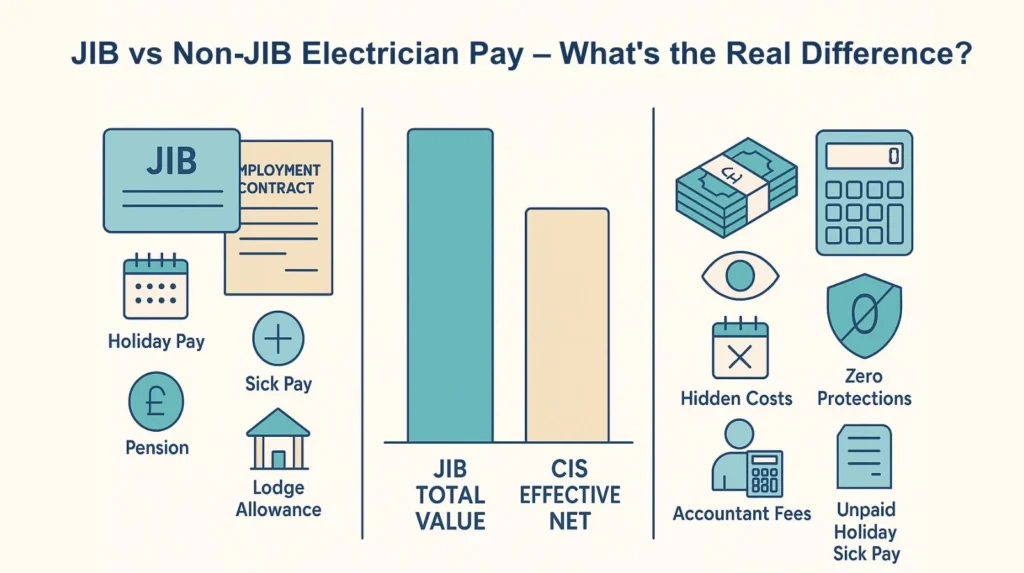
Every single week, someone asks us the same question: "Should I go JIB or stay CIS?" Sometimes it's phrased as "Do I need the JIB card?" or "Why would I work for £19 an hour when agencies pay £26?" And occasionally, it's the YouTube-fuelled classic: "My mate's cousin's electrician earns
- Charanjit Mannu
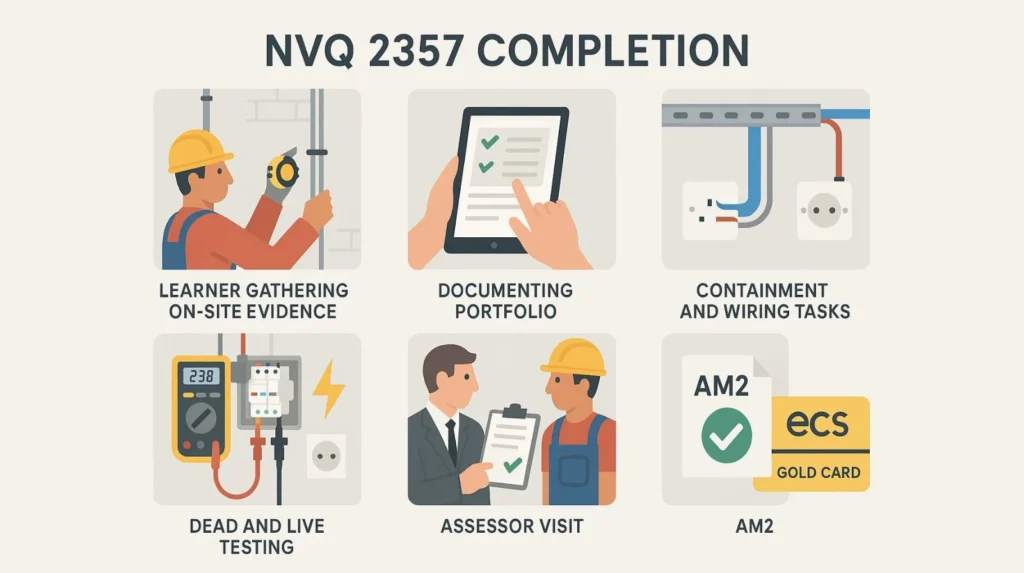
The question shows up constantly in training enquiries, on Reddit, in Facebook groups: "What actually is the NVQ 2357?" Closely followed by: "Is it the same as Level 3?" and "How long does the portfolio take?" Honestly, the confusion is understandable because training providers deliberately blur the lines between technical
- Charanjit Mannu
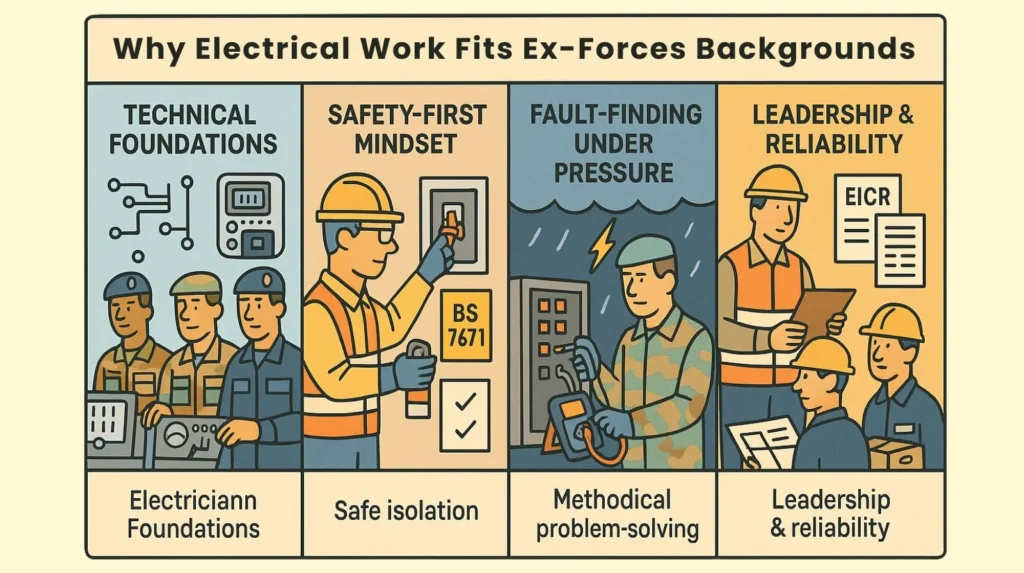
Yes. You can retrain as an electrician after leaving the Armed Forces, and the data shows you're more likely to succeed than civilian learners. Veterans over-index in skilled trades (18.8% compared to 8.7% for non-veterans), bring discipline and technical backgrounds that employers actively want, and benefit from specific funding options
- Charanjit Mannu
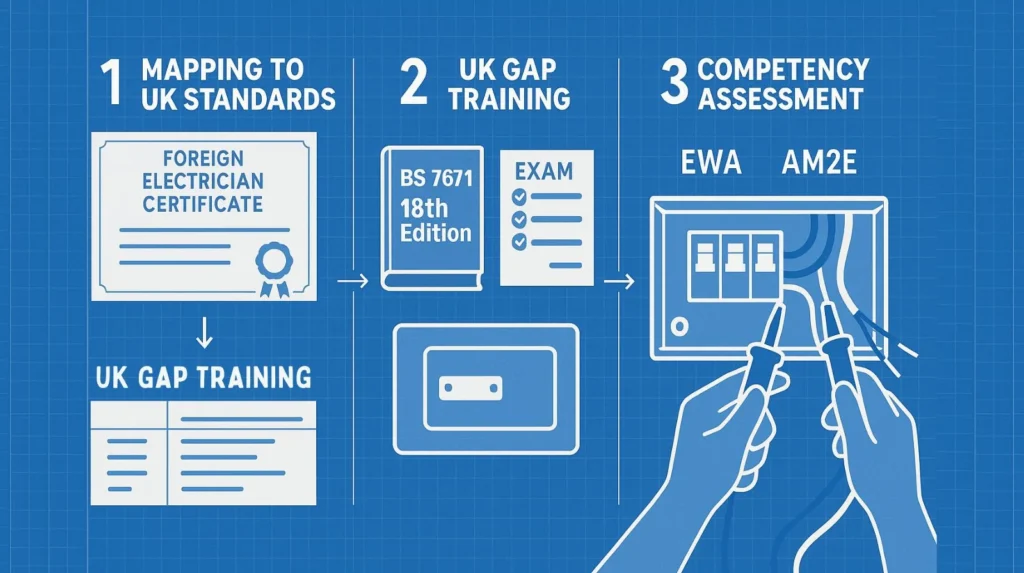
If you're a qualified electrician outside the UK wondering whether you can work here, the answer is yes, but not immediately. Foreign electrical qualifications are not automatically recognised in the UK. You need to prove your competency meets UK standards through a structured conversion process that typically takes 6-12 months
- Charanjit Mannu
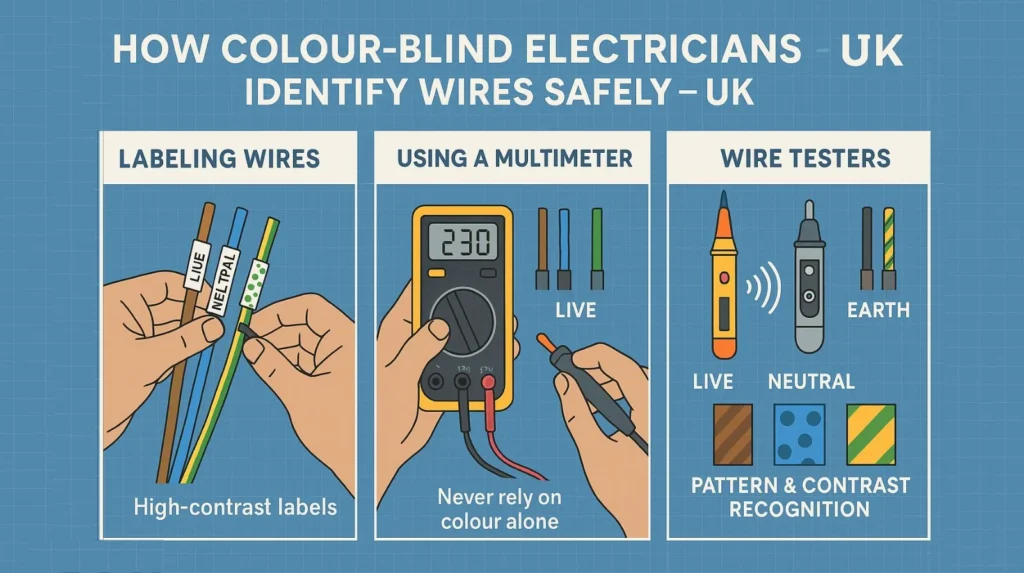
You can become an electrician if you're colour blind. It's legal, it's possible, and thousands of colour-blind electricians work successfully across the UK right now. But there are additional considerations, adaptations, and barriers you need to understand before pursuing this career. Here's the context that matters. Colour vision deficiency affects
- Charanjit Mannu
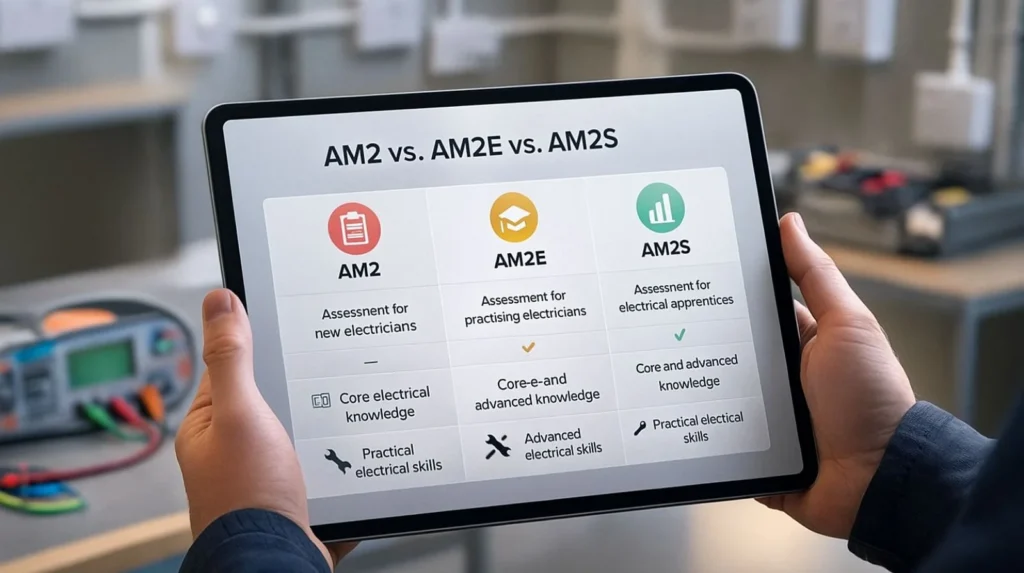
The question comes up constantly from learners approaching the end of their electrical training: “Do I take AM2, AM2E, or AM2S?” Closely followed by: “What’s the difference?” and “Which one is harder?” Honestly, the confusion is understandable because all three are practical end-point assessments lasting 2.5 days, all test installation,
- Charanjit Mannu

In January 2025, thousands of JIB-graded electricians saw their hourly rates increase by 5%. That's the second step in a two-year pay deal agreed between the ECA, Unite the Union, and the JIB National Board back in 2023. The first uplift, a 7% increase, landed in January 2024. On paper,
- Charanjit Mannu

The new JIB wage agreement covering 2026 to 2028 has landed, and reactions across the electrical industry range from cautiously optimistic to openly frustrated. The headline figures look decent at first glance: a 3.95% increase from January 2026, followed by 4.6% in 2027 and 4.85% in 2028. That's roughly 14%
- Charanjit Mannu
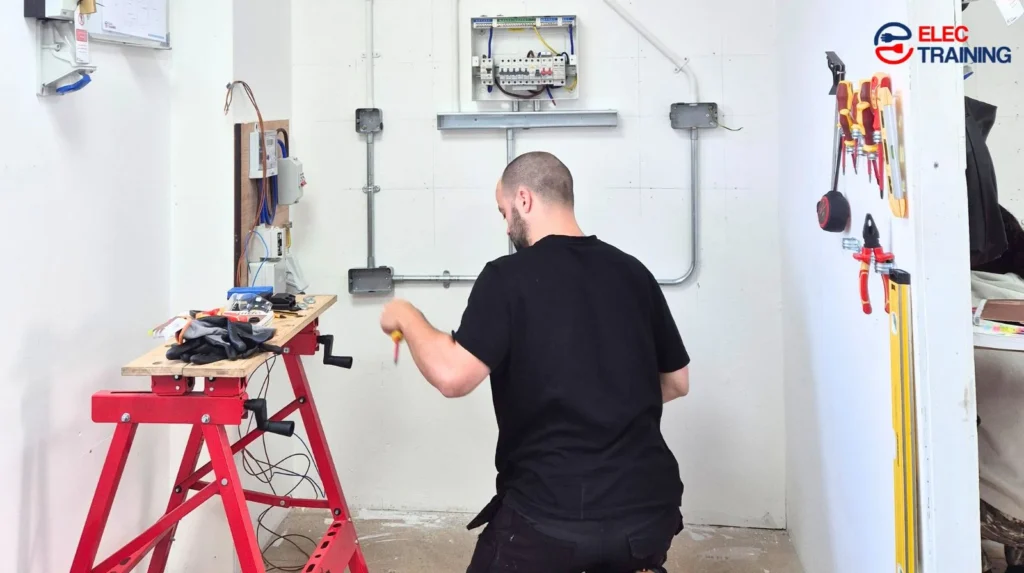
Changing careers at 40 can feel like standing at the edge of something significant. Maybe you’ve been made redundant. Maybe you’re exhausted by office politics. Maybe you’ve spent the last decade wondering what it’d be like to work with your hands instead of staring at spreadsheets. Whatever the reason, the
- Charanjit Mannu
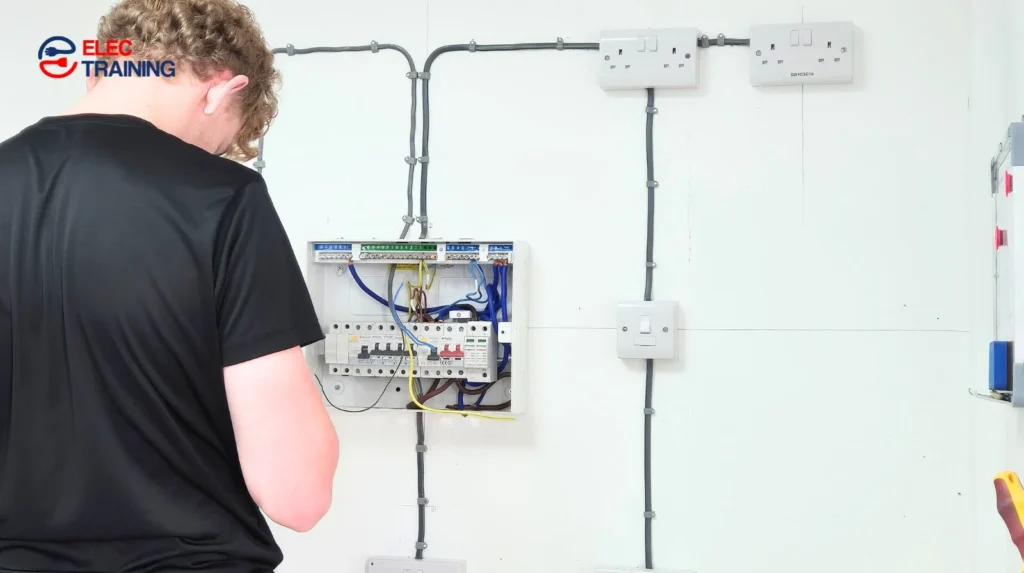
Yes. You can absolutely become a qualified electrician in the UK without completing a traditional apprenticeship. It's not only possible but increasingly common, especially for adults in their late 20s, 30s, and 40s who cannot access apprenticeship places or cannot afford apprentice wages. But let's be clear about what this
- Charanjit Mannu
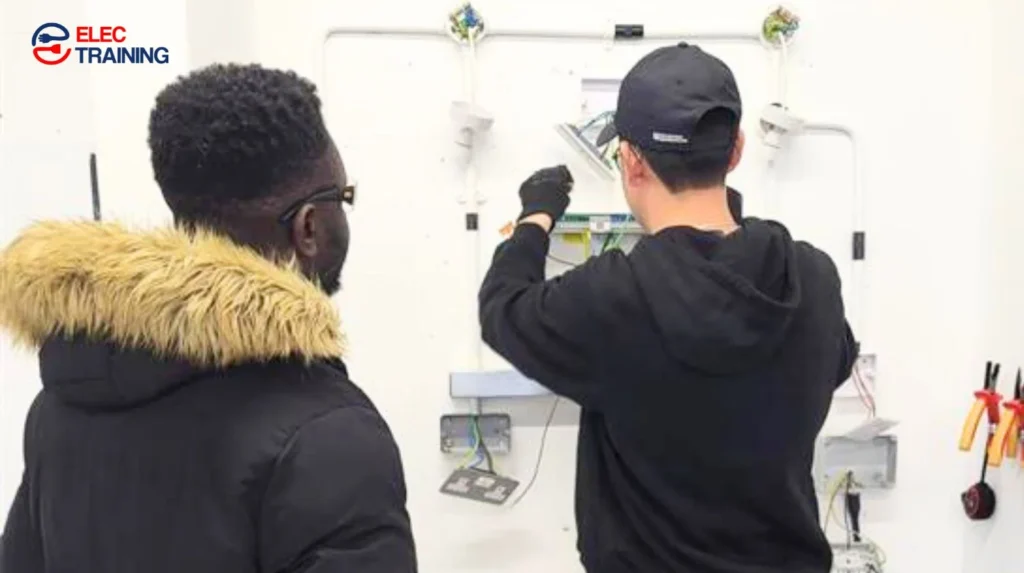
Yes. Absolutely yes. You can become an electrician with zero electrical experience, and it's not only possible but extremely common. If you're 28, 35, or 42 years old and wondering whether you've missed the boat, you haven't. Adult retraining is now the norm, not the exception. The UK construction industry
- Charanjit Mannu

Electrician Gadgets Worth Actually Buying in 2025: From Budget Kit to Professional Upgrades Electricians love gadgets. Always have, probably always will. Whether it’s the latest multifunction tester, a tool kit upgrade, or even something practical enough to count as a stocking filler, s parks are constantly looking for kit that
- Charanjit Mannu

If you’re an electrician or business owner looking to install electric vehicle (EV) charging points, becoming OZEV authorised can open up new opportunities. The Office for Zero Emission Vehicles (OZEV) oversees the UK’s EV charge point grant schemes — helping homeowners, landlords, and businesses save money on installations while supporting
- Charanjit Mannu
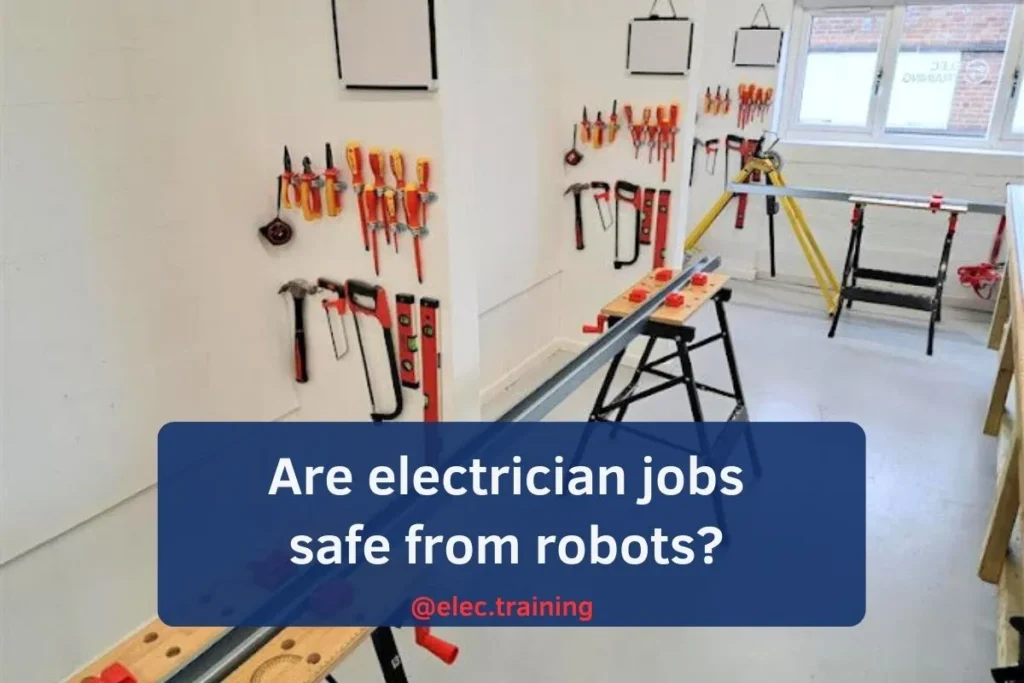
Are they actually Safe? Yes, But Not for the Reasons You Think Short answer: yes, electrician jobs are safe from robots. But not because the work is magically immune to automation. It’s safe because construction is chaos, sites are u npredictable, and every property throws curveballs that robots can’t handle
- Charanjit Mannu
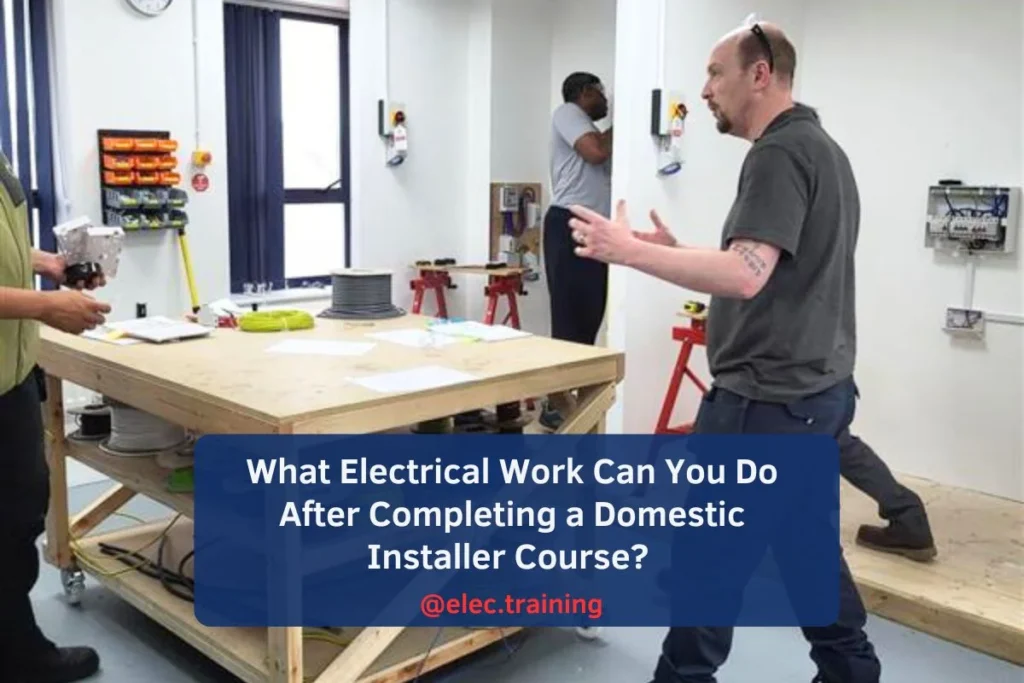
Once you’ve completed a Domestic Electrician Course or the full Domestic Electrician Package, you’ll be qualified to carry out a wide range of electrical work in domestic settings. But it’s important to understand where the legal boundaries are — particularly under Part P of the Building Regulations. Electrical work in
- Charanjit Mannu

Electric vehicles (EVs) are no longer the future — they’re fast becoming the present. With the UK government banning the sale of new petrol and diesel cars by 2030, the demand for skilled EV charger installers has grown rapidly. For electricians and career changers alike, this is one of the
- Charanjit Mannu

If you’re an electrician aiming to take full control of your own work — from installation to certification — becoming a Qualified Supervisor (QS) is a major career milestone. It’s the recognition that you’re competent to i nspect, test, and sign off notifiable electrical work under a Government-approved Part P
- Charanjit Mannu
JIB Wage Deal 2026-2028: What It Actually Means for Your Pay Packet Right, so the Joint Industry Board (JIB) and Unite the Union have just agreed a three-year deal that’s going to lift graded-operative wage rates by almost 13% between January 2026 and January 2028. And honestly? It’s pretty significant
- Charanjit Mannu
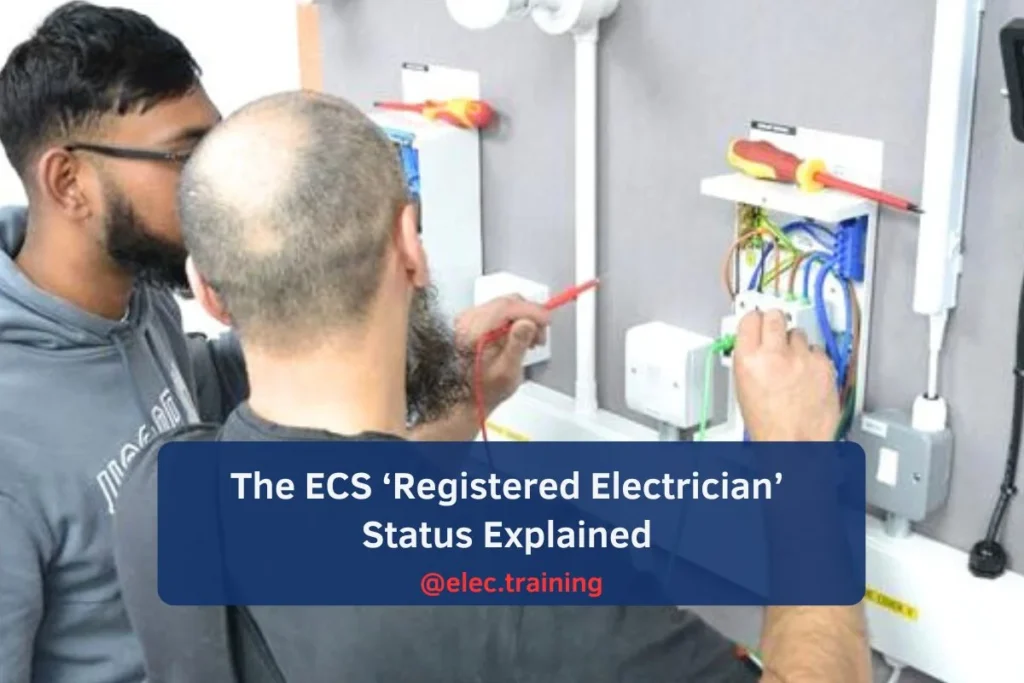
The Joint Industry Board (JIB) and Electrotechnical Certification Scheme (ECS) have introduced a new Registered Electrician status for Gold Card holders — a move designed to recognise electricians who consistently d emonstrate professional competence and compliance with BS 7671 Wiring Regulations. This new tier aims to raise professional standards and
- Charanjit Mannu

Smart technology is reshaping how we live — from thermostats and lighting to full smart home systems. For anyone not ready to install a complete setup, smart plugs are a great entry point into home automation, letting you control, monitor, and schedule your appliances from anywhere. If you’re currently studying
- Charanjit Mannu

Over 53 million smart meters are being rolled out as part of the UK Government’s national energy-efficiency plan, aiming to equip more than 30 million homes and businesses. While the concept sounds simple — track energy use and cut waste — many households are already reporting unexpected issues. If you’re
- Charanjit Mannu

The 18th Edition of the Wiring Regulations isn't a qualification that makes you an electrician. It's not a licence to touch electrical installations. And it's definitely not something you complete in three days and walk onto site calling yourself a spark. Yet training providers market it that way. Job adverts
- Charanjit Mannu

Trade associations such as the NICEIC play a vital role in maintaining industry standards. They ensure tradespeople are competent, compliant with the latest wiring regulations, and qualified to self-certify notifiable work. For customers, these organisations offer reassurance that electrical installations meet recognised safety and quality benchmarks. Recently, a man from
- Charanjit Mannu

From 1st September 2021, new rules came into force for electricians looking to join a Competent Person Scheme (CPS) such as NICEIC or NAPIT. These changes are designed to raise competency standards in the industry and ensure all registered c ontractors meet a consistent benchmark of qualifications and experience. If
- Charanjit Mannu

Breaking News – 18th edition amendment 4 now out April 2022 marked the release of Amendment 2 to BS7671:2018, bringing with it a series of important updates for electricians across the UK. While the changes aren’t as sweeping as some past revisions, there are several adjustments that every installer needs
- Charanjit Mannu

Electric vehicles (EVs) are reshaping how we think about transport, with adoption in the UK accelerating year on year. But alongside benefits like lower emissions and reduced reliance on fossil fuels, EVs also bring new engineering challenges. Among these is whether existing infrastructure—particularly multi-storey car parks—can safely accommodate a rising
- Charanjit Mannu

Reports of energy meter tampering are on the increase, with more tradespeople noticing it in UK homes. A recent survey by Direct Line revealed that 3 in 10 tradespeople have come across signs of tampering, highlighting how common the practice is becoming. But why is it happening, and what are
- Charanjit Mannu
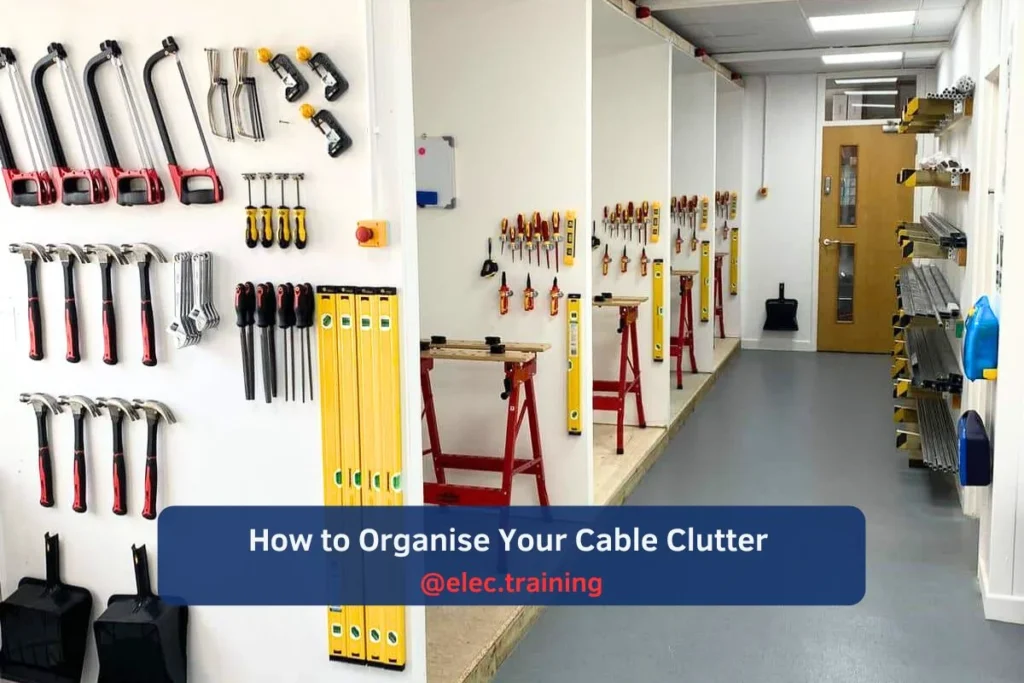
From phones and tablets to TVs and gaming consoles, our homes are full of electronic devices — and with them comes the i nevitable tangle of wires. Most of us have that dreaded “spaghetti drawer” stuffed with cables, but poor storage can damage wires and even create trip hazards. Taking
- Charanjit Mannu

For decades, hands-on trades such as plumbing, electrical work and construction have been dominated by men. But this picture is slowly changing. Not only are more women entering these roles, but consumers are also showing a growing preference for hiring female contractors. Research from tradespeople search platform My Local Toolbox
- Charanjit Mannu
The UK Government has extended its VAT relief scheme for energy-saving materials in homes, making battery energy storage systems (BESS) exempt from tax when installed in domestic properties. This change is expected to make low-carbon technology more affordable and help a ccelerate the UK’s push toward Net Zero. What changed
- Charanjit Mannu
